
1 hr 30 min
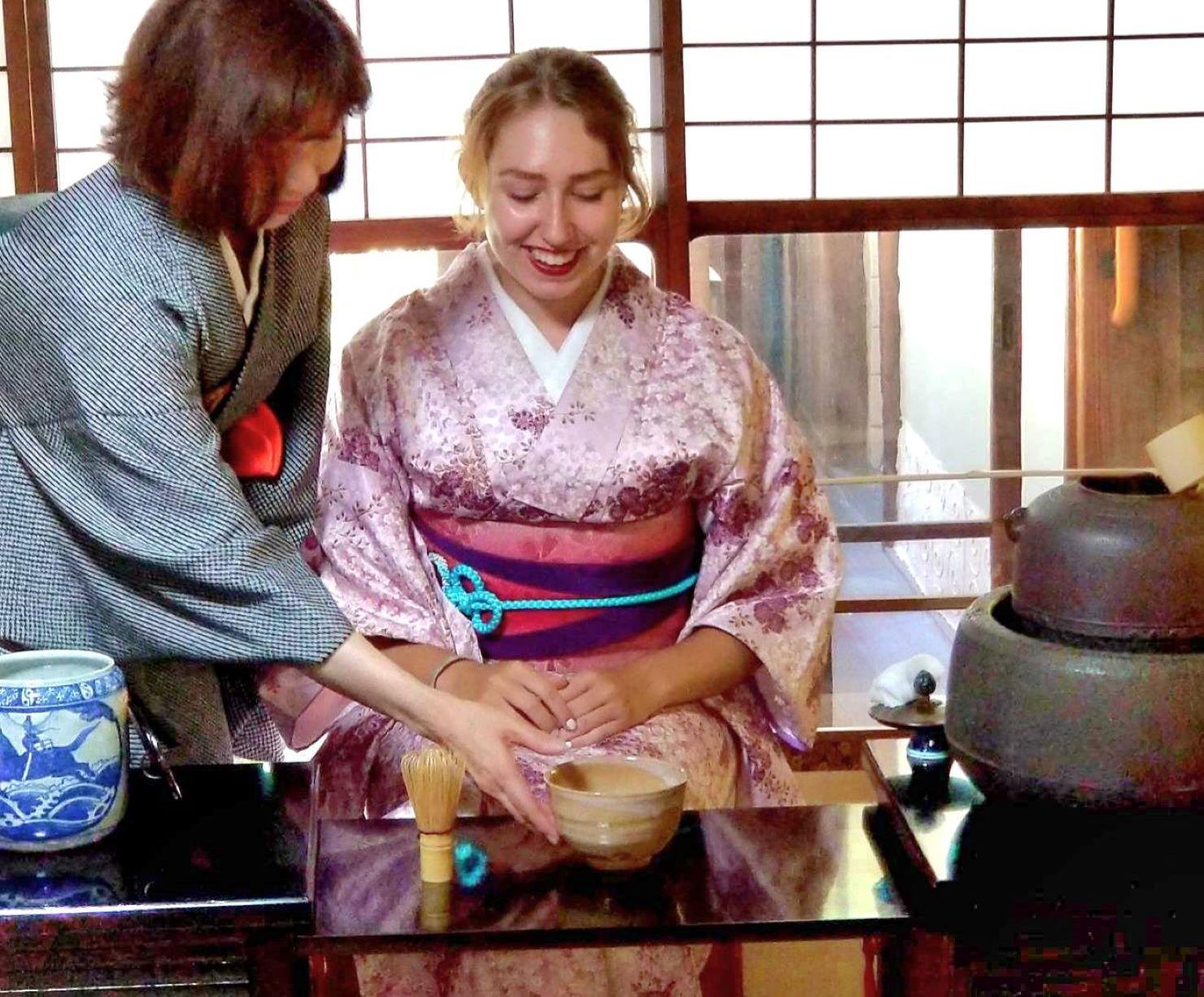
Chair-Style Tea Ceremony in a Kyoto Machiya
No-kneeling tea ceremony in a 100-year-old Kyoto townhouse with matcha whisking and calligraphy
Reserve
Hand-picked by our editors — only the best 5 experiences from 60 reviewed.
Verified partners for every tour, free cancellation where available, and instant confirmation on every booking.
1 hr 30 min
No-kneeling tea ceremony in a 100-year-old Kyoto townhouse with matcha whisking and calligraphy
Reserve
1 hr
Explore Japan's tea heritage through interactive exhibits and craft your own matcha at a historic tea town museum
Reserve
3 hr
Explore a historic Japanese city, participate in an authentic tea ritual, and visit sacred temples
ReservePrices from verified partners. Availability updates in real time at checkout. Free cancellation policies apply where shown.
The landmarks, rooms, and views travelers on this tour remember — all visible on a single visit.
The tea house is named for its strategic position facing the iconic Phoenix Hall of Byodo-in Temple.
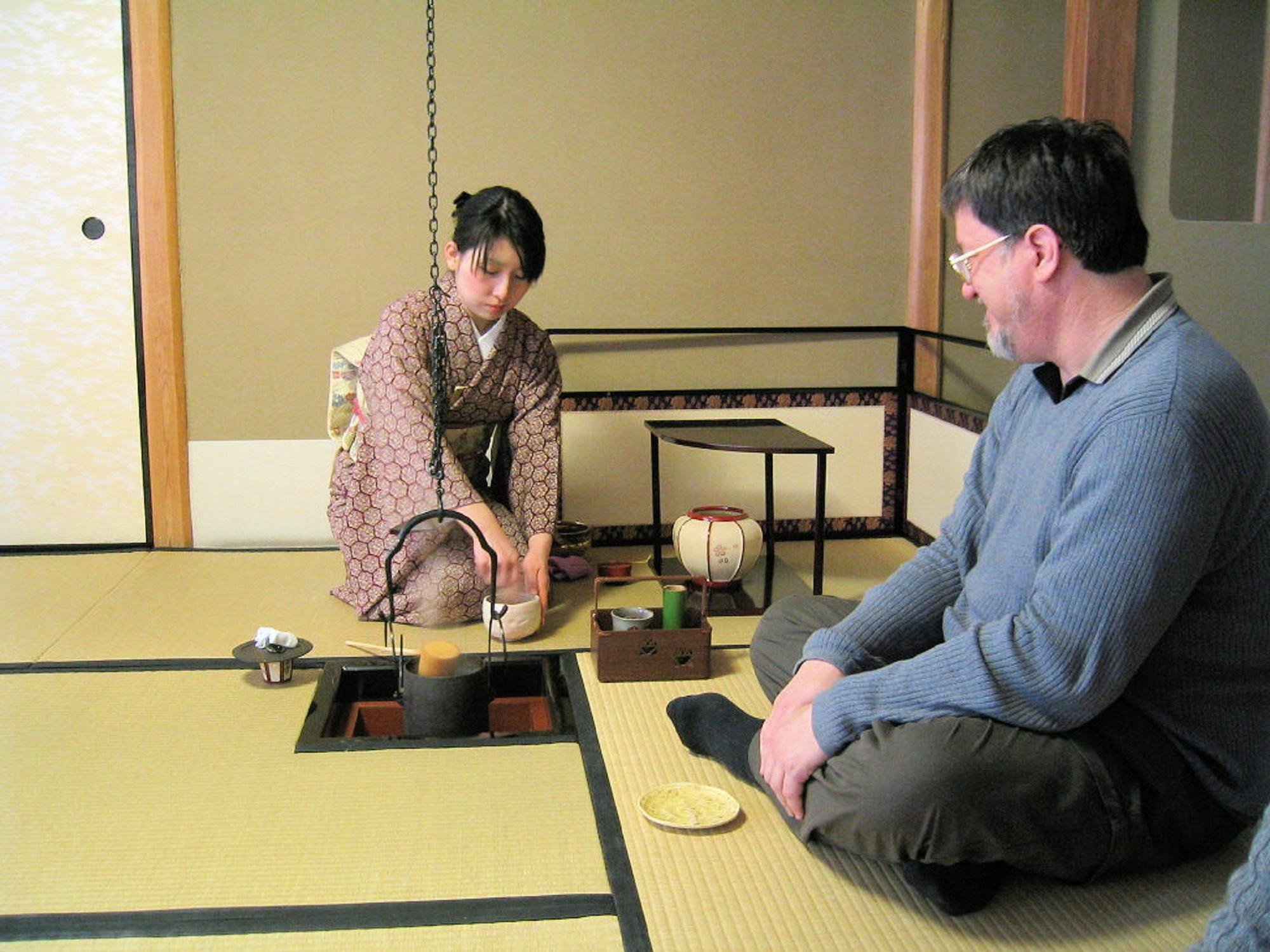
Sit on authentic tatami mats in a space designed to reflect the quiet aesthetic of the tea ceremony.
The surrounding garden features stone lanterns and manicured trees that set the stage for your visit.
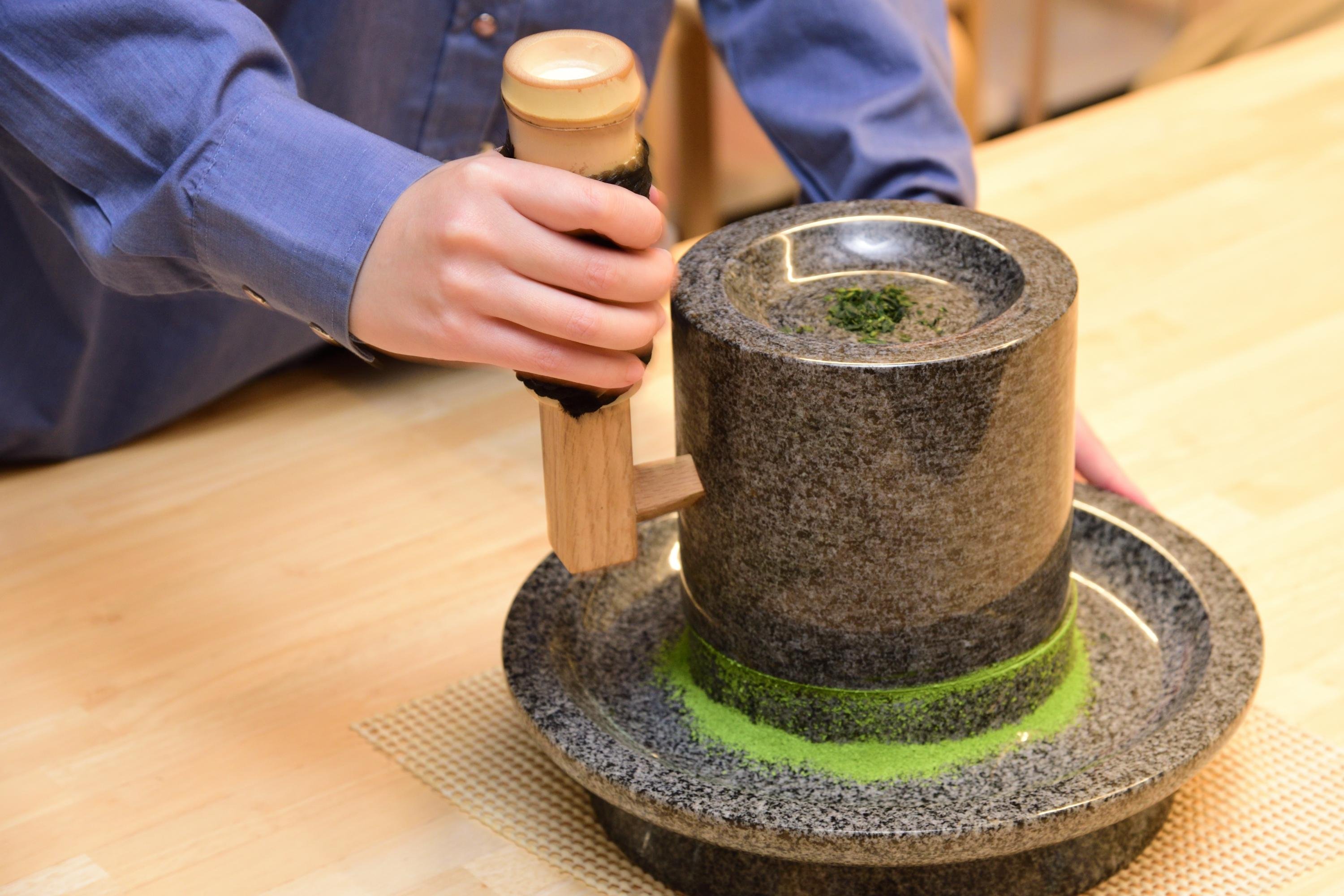
Learn the traditional whisking techniques used to prepare authentic Uji matcha under the guidance of a master.
Each session at the tea house includes specially selected seasonal sweets designed to pair with the tea flavor.
They complement each other; Taihoan provides a traditional, meditative practice, while Nakamura Tokichi excels as a high-end commercial tea house for those seeking a modern Uji tea ceremony taihoan tour.
| Feature | Top pick Taihoan | Nakamura Tokichi |
|---|---|---|
Setting |
Traditional municipal tea room | Historic converted factory space |
Price |
1,500 JPY per person | Varies (800–2,500 JPY range) |
Booking Requirement |
Walk-in welcomed | Reservations recommended |
Authenticity Focus |
High (formal procedure) | Moderate (casual service) |
Casual Dining Options |
None | Extensive food menu available |
Atmosphere |
Quiet and contemplative | Bustling and social |
| See tickets → |
Verdict: Visitors seeking authentic ritual should choose Taihoan, whereas those wanting a broader menu of Uji tea ceremony taihoan tickets and dining should select Nakamura Tokichi.
Choose your ticket, select your date, and reserve in under two minutes. Secure checkout handled by our verified partner.
Instant confirmation by email, with a mobile voucher you can save offline. No printing, no queuing at a collection desk.
Arrive at the entrance, show your voucher on your phone, and walk in. Most tickets include priority or skip-the-line access.
Practical details for your visit straight from our verified partners — hours, access, rules, and how to get there.
2 Ujitogawa, Uji, Kyoto 611-0021
Primary point for tickets and information
Take the JR Nara Line to JR Uji Station, then walk 15 minutes.
Take the Keihan Uji Line to Keihan Uji Station, then walk 15 minutes.
Casual attire is acceptable; however, as you will be seated on tatami mats, modest clothing that allows for comfortable cross-legged or kneeling positions is recommended.
Large bags are not permitted inside the tea room to preserve the serene atmosphere. Please store luggage at the nearby Uji City Tourist Center or train station lockers before visiting the uji tea ceremony taihoan.
Photography is permitted in the garden and common areas, but please refrain from using flash or disruptive equipment inside the tea room during the uji tea ceremony taihoan session.
The venue is a traditional structure and may have steps or threshold barriers. Please contact the Uji City Tourist Center in advance if you require assistance or have specific accessibility needs for your uji tea ceremony taihoan visit.
Please set mobile phones to silent mode before entering the tearoom to avoid disturbing other guests during their uji tea ceremony taihoan experience.
Families are welcome, though children should be able to sit quietly for the duration of the ceremony. The uji tea ceremony taihoan environment requires a calm demeanor to respect the tradition.
Seasonal wagashi sweets are served with your tea as part of the experience. Outside food and beverages are not permitted inside the tea house.
Pets are strictly prohibited inside the facility and the garden area.
The uji tea ceremony taihoan operates as a municipal facility dedicated to tea culture. Advance reservations for the Otemae experience must be made at least three days prior.
2 Ujitogawa, Uji, Kyoto 611-0021
Primary point for tickets and information
Get directionsBest time to go, insider tips, nearby landmarks, and the cancellation fine print — flip through to skim what matters to you.
How crowds, weather, and events shift across the year.
Late March to April features cherry blossoms in the surrounding gardens.
October to November offers beautiful foliage views around the tea house.
June provides lush greenery, though Uji can be humid.
January is quiet, though the facility closes for the holidays through January 9.
Small details that turn a good visit into a great one.
Book the Otemae experience 3 days in advance to secure your spot.
Always visit the adjacent Uji City Tourist Center first to secure your entry.
Aim to arrive during the 10:00–15:30 window to avoid end-of-day crowds.
Rotate your bowl clockwise twice before drinking to respect the tradition.
Ask if they are serving special gyokuro or seasonal sencha during your visit.
Taihoan is a place of reflection, so maintain a soft speaking voice throughout.
Wear clean socks as you will be entering a tatami room.
Non-bookable sights within a short walk — free to visit, easy to pair.
A UNESCO World Heritage site known for its Phoenix Hall on the 10-yen coin.
One of the oldest shrine buildings in Japan.
A scenic river path ideal for relaxing strolls.
Dedicated to the classic Japanese literary masterpiece set in Uji.
Renowned for its beautiful approach path and seasonal scenery.
Flexible, no hidden fees.
Cancellations for standard tea sessions on the day of incur a 100% fee. Specialized sessions including the Otemae experience require cancellation 2 days in advance to avoid a 100% charge.
Hand-picked options within walking distance — pick a district for vibe, or a specific hotel for convenience.
Convenient access to all major tea houses and train stations.
Optimal for travelers using the JR lines.
Offers a quieter experience closer to sake and tea sites.
The name Taihōan reads as 'facing the phoenix', a deliberate bow to the Phoenix Hall of Byōdō-in standing a short walk downstream. Little else about the place announces itself. The uji tea ceremony taihoan is a single municipal tea room at 2 Ujitogawa, set back from the Uji Bridge behind a low gate, operated not by a temple or a dynasty of tea masters but by the city itself. Uji accounts for a small share of national tea production, yet the valley's methods set the standard: shaded gyokuro, stone-milled matcha, sencha rolled by hand until the leaf resembles a pine needle. Those techniques were refined in the fields above the river and exported, through temple patronage and merchant houses, into the national imagination. Even the water matters; local hosts favour soft water poured just off the boil for sencha. The tea room exists to hold that lineage in the present tense. Hosts rotate from local practice groups and the established schools, so no two sittings are identically paced, and Uji's riverside landmarks supply the context the leaf grew out of. Architecturally the room follows the logic every chashitsu follows: tatami measured in mat-units, a tokonoma alcove holding a seasonal scroll, a kettle set over a hearth, light arriving sideways through paper rather than down from above. Guests sit in rows rather than in a circle, facing the host. The scale is intentional. Low ceilings and a shortened approach compress the attention of everyone inside. Admission is counted per guest rather than per party — uji tea ceremony taihoan tickets are priced at 1,500 JPY per person for the base matcha or sencha service — and the single room means the number of people in it is always small. What the room offers is unusually unguarded for a civic institution. There is no collection to file past, no gift corridor, no interpretive panel explaining what a bamboo whisk does. A host kneels, a bowl is turned, and the visitor is expected to meet the gesture halfway. That plainness is why uji tea ceremony taihoan tours now anchor so many itineraries through the town, threaded between Ujigami Shrine, the Byōdō-in pond, and the tea shops along Omotesando. The practice has survived because it refused to become a performance.
"The practice has survived because it refused to become a performance."
A step-by-step walkthrough of the visit — what you'll see, how long each stage takes, and the details that matter.
You come in off the Uji Bridge, past the shopfronts selling matcha soft serve, and the noise drops within twenty paces. The gate is low. You leave your shoes at the edge of the tatami, and the floor is cooler than you expect in October. Someone takes the 1,500 JPY at a small desk, writes nothing down, and shows you to a row of seats facing the host. Then it slows. The kettle breathes. You watch the host measure powder from a lacquer caddy, pour, and work the bamboo whisk fast enough that the surface lifts into a pale green foam. A wagashi arrives first, eaten before the bowl comes. You take the bowl in your left palm, turn it twice with your right, and drink in three pulls. The taste is thick, grassy, faintly bitter at the back. Nobody rushes you out. You ask about the scroll in the alcove and get an answer. Outside, the light off the water has shifted, and a uji tea ceremony taihoan tour group is forming near the information centre, bound for 対鳳庵's neighbours: Ujigami Shrine uphill, the Byōdō-in pond downstream. You walk the riverbank instead, still tasting the matcha, and buy loose sencha at a shop that has been weighing leaf for generations.
The uji tea ceremony taihoan is open daily from 10:00 to 16:00.
While casual sessions can sometimes be joined without booking, specialized experiences like the Otemae activity require reservations at least three days in advance.
The base matcha or sencha fee is 1,500 JPY per person at the uji tea ceremony taihoan.
The venue is traditional and may have architectural barriers; please consult the Uji City Tourist Center for specific accessibility needs at the uji tea ceremony taihoan.
You may take photos in the garden, but please avoid disruptive photography during the formal tea ceremony at the uji tea ceremony taihoan.
Visiting the uji tea ceremony taihoan between 10:00 and 15:30 helps ensure you avoid the final entry rush.
Children are welcome at the uji tea ceremony taihoan if they can remain calm and seated for the duration of the tea session.
Yes, seasonal wagashi sweets are served with the tea provided during your visit to the uji tea ceremony taihoan.
The uji tea ceremony taihoan is a 15-minute walk from both JR Uji Station and Keihan Uji Station.
Cancellations at the uji tea ceremony taihoan are subject to 100% fees if made on the day of the visit, or 2 days prior for specialized bookings.