
1 hr 30 min
Table-Style Tea Ceremony in a Kyoto Machiya
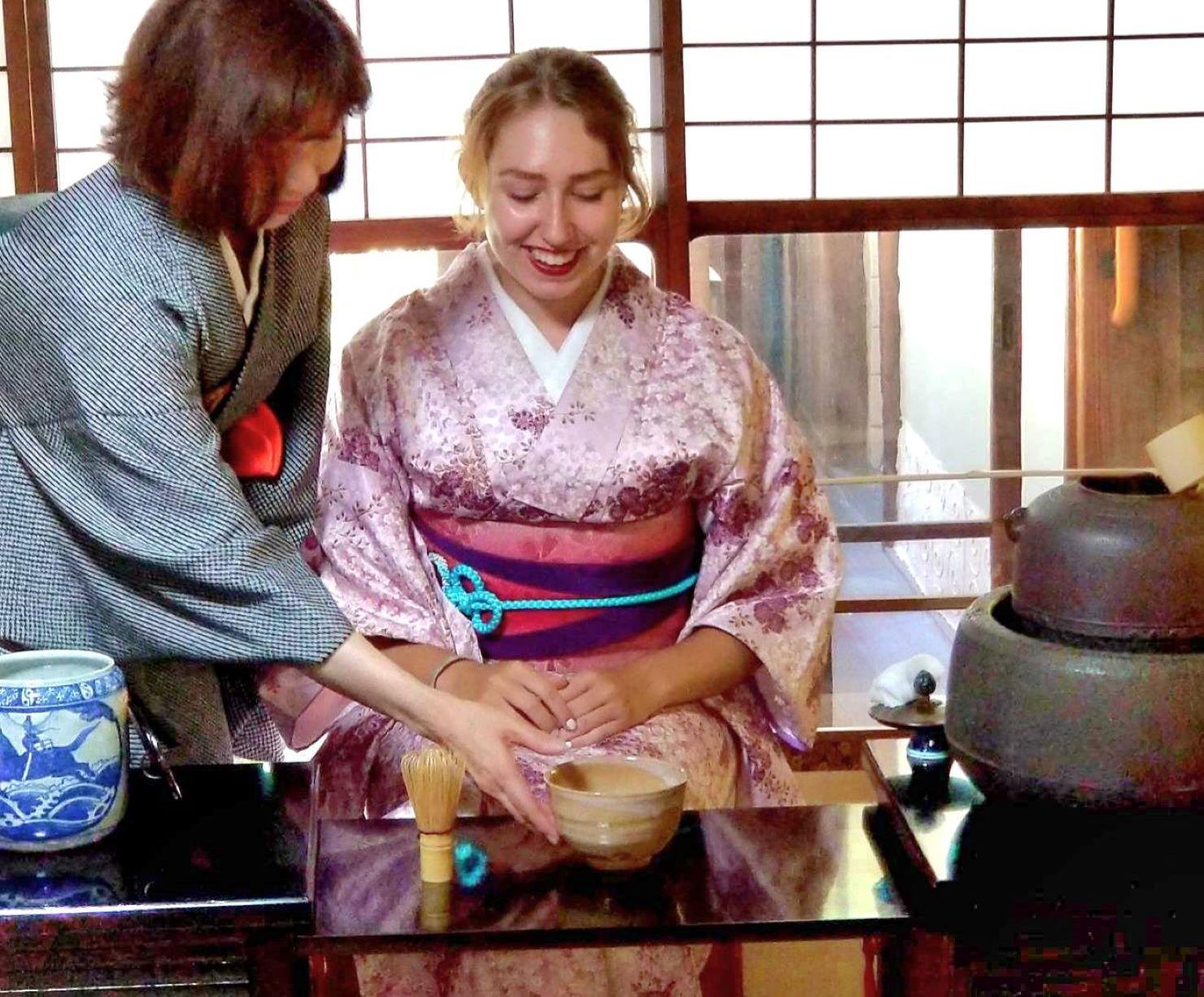
Whisk your own matcha chair-side in a 100-year-old Kyoto house, no kneeling required.
Reserve
Hand-picked by our editors — only the best 5 experiences from 47 reviewed
Verified partners for every tour, free cancellation where available, and instant confirmation on every booking.
1 hr 30 min
Whisk your own matcha chair-side in a 100-year-old Kyoto house, no kneeling required.
Reserve
3 hr
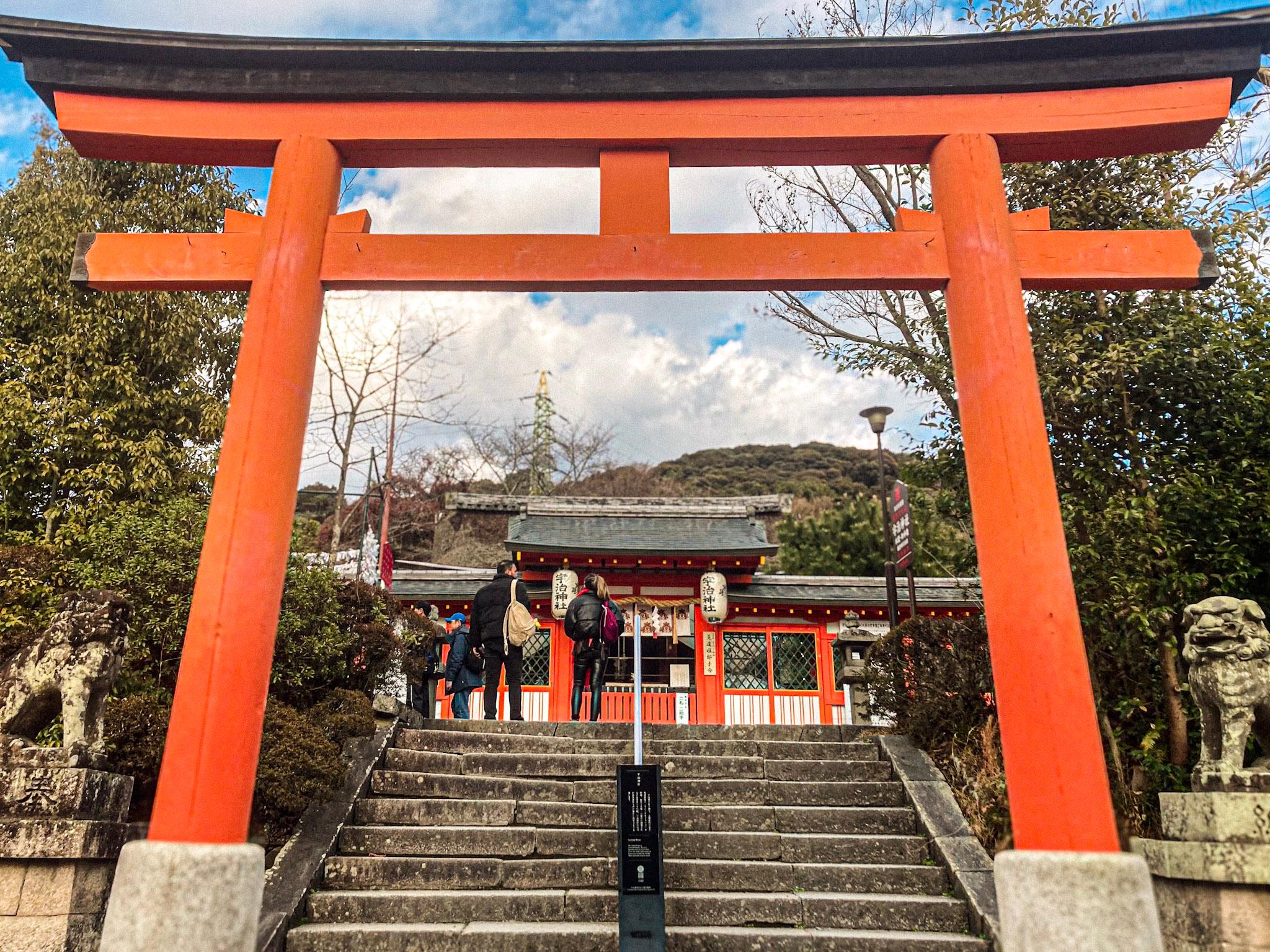
Explore UNESCO-listed Uji on foot, sip matcha in a traditional ceremony, and cross scenic bridges.
Reserve
3 hr
Discover Japan's tea capital through hands-on ceremony, ancient shrines, and a UNESCO temple
ReservePrices from verified partners. Availability updates in real time at checkout. Free cancellation policies apply where shown.
The landmarks, rooms, and views travelers on this tour remember — all visible on a single visit.
The tea house was named Taihoan specifically for its relative position facing the historic Phoenix Hall of Byodo-in Temple
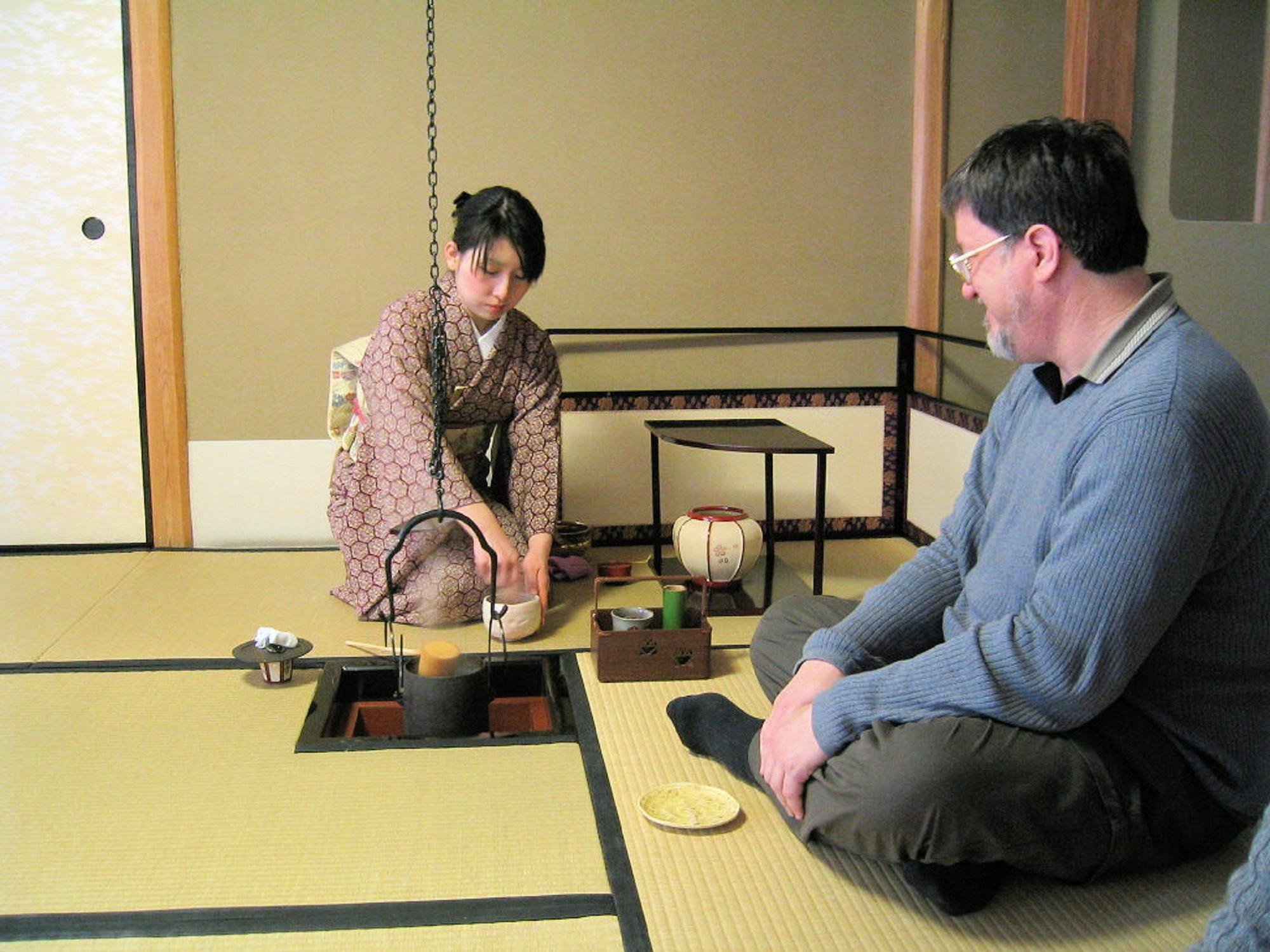
Experience the precise, graceful movements of a tea master who performs the ceremony in the traditional style for every guest
Savor high-quality, shade-grown Uji matcha served with seasonal wagashi sweets sourced from local artisans
Sit in an authentic, minimalist tatami-mat room designed to foster tranquility and mindfulness during your ceremony
Taihoan provides a structured, formal encounter for those seeking traditional etiquette, whereas Tsuen Teahouse offers a relaxed, commercial setting steeped in centuries of heritage.
| Feature | Top pick Taihoan | Tsuen Teahouse |
|---|---|---|
Experience Type |
Formal tea ceremony | Casual teahouse service |
Historical Significance |
Municipal facility | Founded in 1160 |
Atmosphere |
Quiet and structured | Traditional commercial bustle |
Seating Style |
Tatami mats | Tatami and chairs |
Booking Requirement |
Walk-in preferred | No reservation required |
Best for |
Authentic practice | Relaxed historic tea |
| See tickets → |
Verdict: Choose Taihoan for a disciplined uji tea ceremony booking tour experience, or visit Tsuen for a historic landmark atmosphere that favors casual exploration.
Choose your ticket, select your date, and reserve in under two minutes. Secure checkout handled by our verified partner.
Instant confirmation by email, with a mobile voucher you can save offline. No printing, no queuing at a collection desk.
Arrive at the entrance, show your voucher on your phone, and walk in. Most tickets include priority or skip-the-line access.
Practical details for your visit straight from our verified partners — hours, access, rules, and how to get there.
2 Togawa, Uji, Kyoto 611-0021
Primary location for ticket pickup before entering Taihoan
Take the JR Nara Line to JR Uji Station, followed by a 15-minute walk along the Uji River.
Casual attire is welcome, but please wear clean socks as shoes must be removed before entering the tatami rooms. Avoid flashy clothing or strong perfumes that might distract from the serene environment.
Large luggage cannot be brought into the tea room. Please store personal bags in designated areas provided at the facility or use nearby coin lockers at Uji Station.
Photography is permitted in the garden and common areas, but please refrain from using flash or disruptive equipment inside the tea room during a ceremony. Always check with your host before capturing the tea master's performance.
The traditional architecture includes step entries and tatami seating, which may present challenges for visitors with mobility impairments. Staff at the Taihoan reception can provide information on localized assistance.
Children are welcome to attend, provided they can remain quiet during the meditative ceremony. Please ensure little ones understand the need for stillness in the tea room.
Outside food and drinks are strictly prohibited within the tea room. Each tea set includes seasonal wagashi sweets specifically paired with your chosen Uji tea.
2 Togawa, Uji, Kyoto 611-0021
Primary location for ticket pickup before entering Taihoan
Get directionsBest time to go, insider tips, nearby landmarks, and the cancellation fine print — flip through to skim what matters to you.
How crowds, weather, and events shift across the year.
Visit during October and November to enjoy the vibrant maples surrounding the Byodo-in temple area nearby. The mild temperatures are ideal for walking the river path to the tea house.
Cherry blossoms in late March and April create a scenic backdrop for your uji tea ceremony booking tour. Expect higher foot traffic near the Uji River.
Small details that turn a good visit into a great one.
Secure your uji tea ceremony booking tickets at least three days ahead for specialized sets to avoid disappointment. Online reservations are required for the full experience.
Plan to arrive at the Uji Tourist Information Center at least 15 minutes before your scheduled slot. This ensures you have time to receive your ticket and reach the tea house entrance.
The final slot for the day is 15:30. Aim for morning sessions if you prefer a quieter environment for your uji tea ceremony booking.
The tea master's schedule and available tea types vary by day. Verify if your visit includes matcha or sencha when finalizing your uji tea ceremony booking.
The ceremony follows a precise structure. Simply observe the host and follow their lead if you are unsure of the etiquette.
Since you will be seated on tatami, wear comfortable, modest clothing that allows for easy movement.
Non-bookable sights within a short walk — free to visit, easy to pair.
A UNESCO World Heritage site famous for the Phoenix Hall appearing on the 10 yen coin.
Flexible, no hidden fees.
For basic services, cancellations on the day of the appointment incur a 100% fee. For advanced workshops, cancellations made two days prior or later incur a 100% fee.
Hand-picked options within walking distance — pick a district for vibe, or a specific hotel for convenience.
Various boutique options located near JR and Keihan Uji stations.
Uji has cultivated matcha for over 800 years, a legacy that began when the monk Myōe planted tea seeds gifted from Kyoto's Toganoo temple on the hillsides above the Uji River in 1191. The terroir—morning mists rising from the river valley, mineral-rich soil, and cool spring temperatures—produces tencha leaves with a sweetness and umami depth unmatched elsewhere in Japan. By the fifteenth century, Uji matcha had become the exclusive tea of the shogunate, its reputation codified when Sen no Rikyū formalized the aesthetic principles of wabi-cha, the austere tea ceremony that stripped away ornament to reveal purity in each gesture. Today, Uji tea ceremony booking connects visitors to that unbroken tradition through experiences at Taihō-an and other historic venues where the same ritual unfolds as it has for centuries. The formal tea service follows Rikyū's choreography: the host purifies each utensil, whisks matcha powder with hot water in deliberate strokes, and presents the bowl with its decorated side facing the guest. Every movement—rotating the bowl twice before drinking, the angle of the whisk, the timing of each pause—carries meaning refined over generations. Taihō-an, maintained by the Uji City Tourism Association, preserves this ceremonial rigor while offering usucha (thin tea) and sencha (steeped leaf) services accessible to first-time participants. The architecture frames the experience as carefully as the tea itself. Traditional machiya townhouses feature tatami-matted rooms with alcoves displaying seasonal scrolls and flower arrangements, shoji screens filtering natural light into soft gradients. At Taihō-an, located near Byōdō-in Temple, the tea room overlooks a karesansui rock garden where raked gravel patterns shift with each viewing angle. This spatial restraint—the deliberate emptiness that allows attention to settle on a single tea bowl, a whisper of steam, the creak of bamboo—is wabi-sabi made tangible. Uji tea ceremony tours often pair the tea service with walks through production areas where farmers still shade tencha plants under tana canopies, blocking ninety percent of sunlight to force chlorophyll concentration and that signature jade color. The city's seventeen remaining tea estates supply matcha to Kyoto's tea schools and temples, a supply chain unchanged since the Tokugawa period. Reserving a ceremony here means participating in a living craft where each bowl of tea connects you to eight centuries of cultivation, refinement, and ritual precision.
"Every movement—rotating the bowl twice before drinking, the angle of the whisk, the timing of each pause—carries meaning refined over generations."
A step-by-step walkthrough of the visit — what you'll see, how long each stage takes, and the details that matter.
You arrive at Taihō-an before 15:30, removing your shoes at the entrance and stepping onto cool tatami mats that give slightly under your feet. The host guides you to a low table in the tea room where a scroll depicting autumn grasses hangs in the tokonoma alcove, paired with a single ceramic vessel holding a branch of persimmon. You kneel or sit cross-legged as the host begins the service, placing a wagashi sweet—perhaps a chestnut kinton shaped like a maple leaf—on a folded paper before you. The host purifies the tea bowl and whisk with precise, economical gestures, then scoops emerald matcha powder into the bowl and adds water heated to exactly 80 degrees Celsius. The bamboo whisk moves in rapid M-shaped strokes until a fine foam crowns the surface. The bowl arrives rotated so its most beautiful side faces you. You turn it twice clockwise, drink in three measured sips, wipe the rim, and rotate it back before returning it. The bitterness of the matcha balances the sweetness lingering from the wagashi, each element calibrated to the other. Outside the window, the rock garden's patterns hold steady in the afternoon light. You taste the umami particular to Uji leaves—vegetal, almost oceanic, without astringency. The quiet is not empty but dense with attention. After the service concludes, you bow, collect your shoes, and step back into the street where the scent of roasted hōjicha drifts from a nearby shop.
The entrance fee for a basic Usucha or Sencha service at Taihoan is 1,500 JPY. Other sets and activities vary in price.
While walk-ins may be possible if there is availability, making a reservation in advance for your uji tea ceremony booking ensures your spot.
Taihoan is open from 10:00 to 16:00 daily. Last reception is at 15:30.
There is no strict dress code, but please wear clean socks and avoid flashy or revealing clothing to respect the tradition.
Yes, children are welcome at Taihoan if they can remain quiet throughout the traditional service.
Please head to the Uji Tourist Information Center first to pick up your tickets for the Taihoan tea house.
Cancellations on the day of your visit for basic services incur a 100% fee. Advanced workshops have a two-day cancellation policy.
Photography is allowed in the garden but please be respectful inside the tea room and avoid using flash during the Taihoan ceremony.
The tea house is approximately a 15-minute walk from both JR Uji Station and Keihan Uji Station.
Yes, you can easily combine your visit to Taihoan with a tour of the nearby Byodo-in Temple or the Uji River area.