
1 hr 30 min
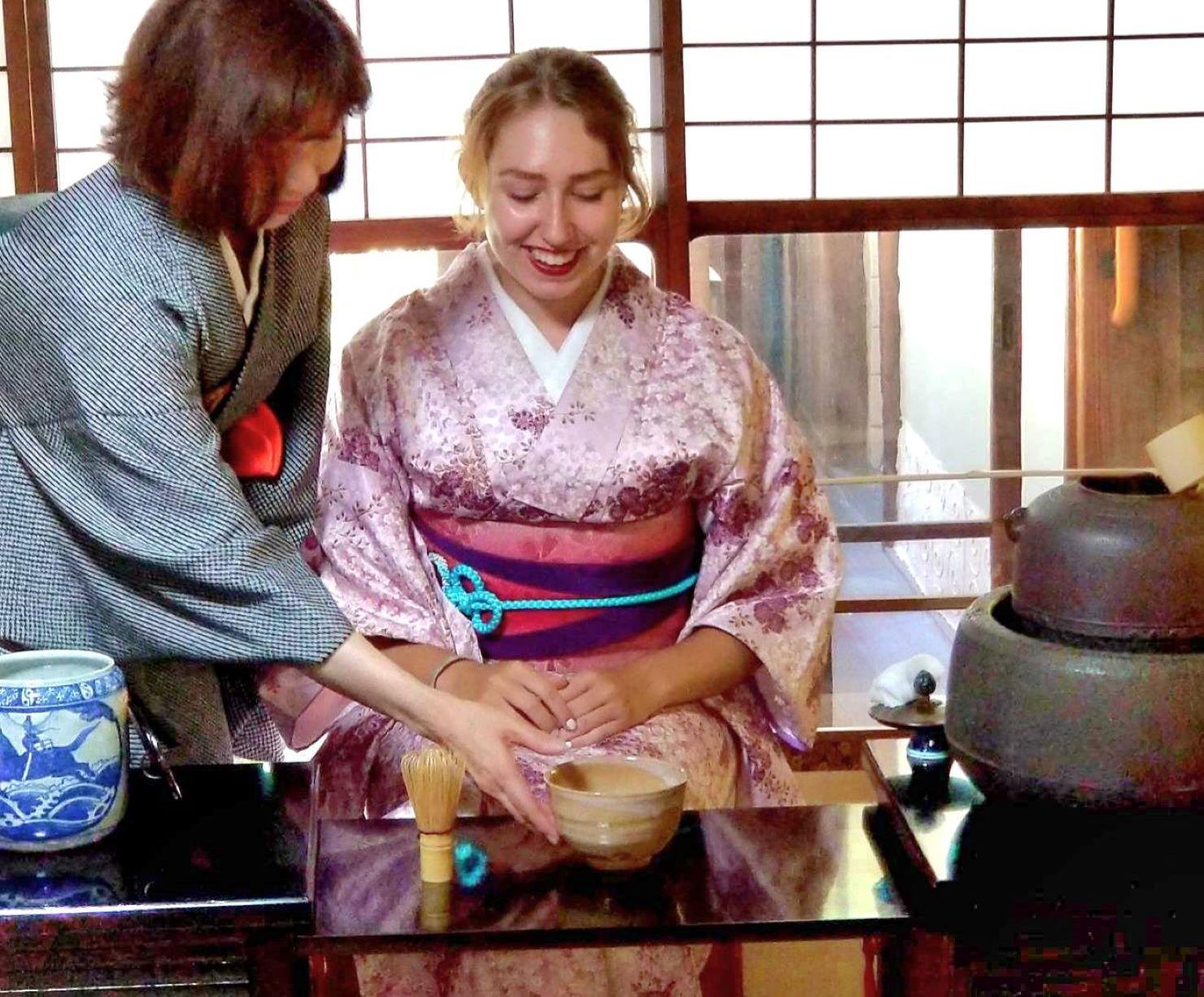
Machiya Tea Ceremony with Chair Seating in Historic Kyoto
Whisk your own matcha in a century-old townhouse using table seating—no kneeling required.
Reserve
Hand-picked by our editors — only the best 5 experiences from 47 reviewed.
Verified partners for every tour, free cancellation where available, and instant confirmation on every booking.
1 hr 30 min
Whisk your own matcha in a century-old townhouse using table seating—no kneeling required.
Reserve
1 hr
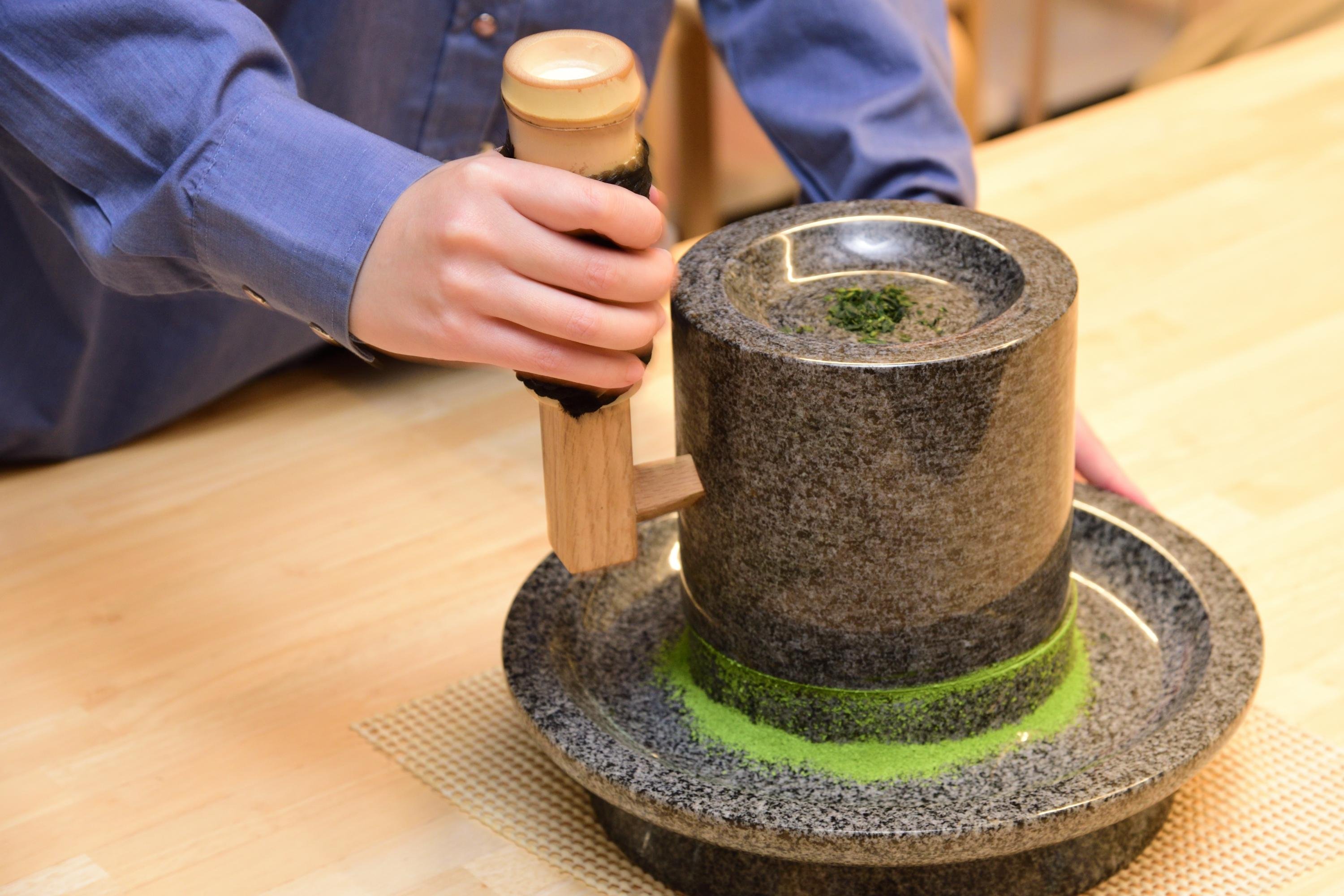
Explore Uji's tea heritage through interactive exhibits, then grind and whisk your own bowl of matcha.
Reserve
2 hr 30 min
Private matcha tasting and tea ceremony in Uji, guided by a former geiko in a historic sukiya-style house.
ReservePrices from verified partners. Availability updates in real time at checkout. Free cancellation policies apply where shown.
The landmarks, rooms, and views travelers on this tour remember — all visible on a single visit.
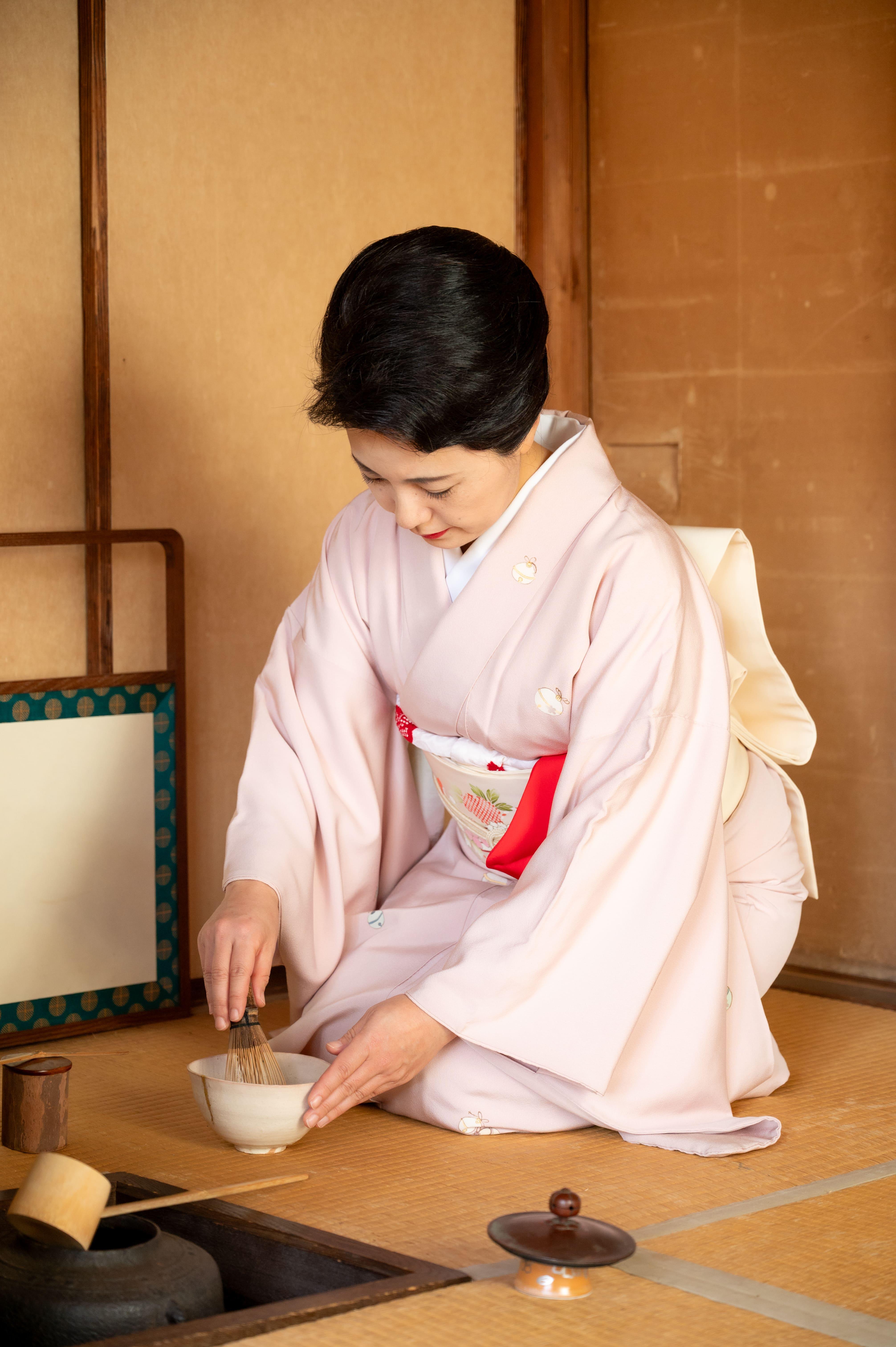
Witness the precise movements of the host during your private session.
Taihoan offers a structured, accessible entry into matcha culture, while private home-based sessions provide an intimate, personalized atmosphere for those seeking seclusion. Most visitors choose the public venue for ease of access, while reserving uji private tea ceremony tours for a deeper, bespoke connection to the host.
| Feature | Top pick Taihoan Tea House | Home-Based Ceremony |
|---|---|---|
Privacy Level |
Public setting | Exclusive/Private |
Cultural Explanation Depth |
Standardized guided session | Customized and conversational |
Booking Flexibility |
Walk-ins accepted; limited reservations | Requires advanced booking |
Cost |
1,000 JPY per person | Starts at 5,000 JPY per person |
Atmosphere |
Traditional public pavilion | Intimate domestic environment |
Venue Authenticity |
Cultural landmark building | Residential traditional architecture |
| See tickets → |
Verdict: Select the Taihoan uji private tea ceremony tickets for a reliable, heritage-rich public experience, or opt for a local home-based uji private tea ceremony tour if you prioritize a quiet, one-on-one exchange with a master.
Choose your ticket, select your date, and reserve in under two minutes. Secure checkout handled by our verified partner.
Instant confirmation by email, with a mobile voucher you can save offline. No printing, no queuing at a collection desk.
Arrive at the entrance, show your voucher on your phone, and walk in. Most tickets include priority or skip-the-line access.
Practical details for your visit straight from our verified partners — hours, access, rules, and how to get there.
Togawa-2 Uji, Kyoto
Located near the Uji River bridge
Take the JR Nara Line to JR Uji Station, followed by a 15-minute walk.
Take the Keihan Uji Line to Keihan Uji Station, which is a 10-minute walk.
Casual but respectful attire is recommended. Guests are requested to remove shoes before entering the traditional tearoom mats.
Large luggage cannot be accommodated inside the tearoom. Please utilize lockers at the nearby Uji train stations before your uji private tea ceremony.
Photography is permitted in the garden area. Please refrain from taking photos during the active preparation of the matcha inside the room.
The venue features traditional architectural elements with raised thresholds. Please notify staff in advance if mobility assistance is required for your uji private tea ceremony.
Please set mobile devices to silent mode before entering the tea room. Silence is appreciated to respect the atmosphere of the uji private tea ceremony.
Children are welcome when supervised by adults. The uji private tea ceremony involves hot water and fragile ceramics, requiring careful attention from guardians.
Outside food and beverages are strictly prohibited. The entrance fee includes a traditional seasonal sweet paired with your tea.
Pets are not allowed inside the facility. Service animals should be discussed with the staff prior to your booking.
The uji private tea ceremony provides a quiet cultural immersion. Please follow the guidance of your host regarding the proper way to hold the tea bowl.
Best time to go, insider tips, nearby landmarks, and the cancellation fine print — flip through to skim what matters to you.
How crowds, weather, and events shift across the year.
October and November offer vibrant maples around the Uji area, perfect for a serene uji private tea ceremony session.
Cherry blossoms in April create a picturesque backdrop for your visit.
Early mornings in June provide a refreshing start before the afternoon humidity.
January offers a quiet, meditative atmosphere for a private session.
Small details that turn a good visit into a great one.
The uji private tea ceremony is a meditative practice; please maintain a low volume during the preparation.
Non-bookable sights within a short walk — free to visit, easy to pair.
A UNESCO World Heritage site known for the Phoenix Hall and beautiful garden ponds.
Flexible, no hidden fees.
Cancellations must be made at least 24 hours in advance to receive a full refund. The 1,000 JPY entrance fee is non-refundable for no-shows or same-day cancellations.
Hand-picked options within walking distance — pick a district for vibe, or a specific hotel for convenience.
A variety of traditional inns and modern hotels are located within walking distance of the Uji River.
Uji supplied powdered green tea to Kyoto's imperial court for over four centuries before the rest of Japan learned its name. The Uji River valley's morning mists and loamy soil produce tencha leaves with chlorophyll density unmatched elsewhere in the archipelago. By the fourteenth century, shōgun Ashikaga Yoshimitsu had designated seven Uji estates as official purveyors, a distinction that survives in the region's family-run tea houses today. The private tea ceremony format emerged during the Momoyama period as daimyō sought instruction away from the scrutiny of rival clans. Sen no Rikyū, who codified the four principles of harmony, respect, purity, and tranquility, operated a small tearoom in Uji before his Kyoto studio attracted the attention of Toyotomi Hideyoshi. Modern Uji private tea ceremony sessions preserve that intimate scale, conducted in machiya townhouses or tatami rooms overlooking stone gardens rather than in commercial demonstration halls. The town's position fifteen kilometres south of central Kyoto kept it insulated from the tourism economy until the 1990s. Today, fewer than thirty licensed tea masters offer one-on-one instruction in Uji proper. Sessions emphasize the tactile preparation sequence: warming the chawan bowl, portioning matcha with a chashaku scoop carved from a single bamboo node, and whisking in the prescribed eighty-stroke W-pattern that aerates the powder without overheating it. The ceremony's meditative pace stands in deliberate contrast to the rapid sencha service found in contemporary cafés. Uji's teahouses occupy renovated Edo-period structures along the Ujigawa riverbank. Many preserve clay-walled interiors and sunken hearths that predate the Meiji restoration. The neighbourhood surrounding Byōdō-in Temple contains the highest concentration of family operations, some operating under the same name since the Tokugawa shogunate. Booking a session here means learning from practitioners whose grandparents ground tencha on the same granite millstones still in use today.
"Sen no Rikyū operated a small tearoom in Uji before his Kyoto studio attracted the attention of Toyotomi Hideyoshi."
A step-by-step walkthrough of the visit — what you'll see, how long each stage takes, and the details that matter.
You arrive at a wooden machiya gate marked only by a fabric noren curtain. Inside, a tea master in indigo kimono greets you and gestures toward low seating arranged around a sunken hearth. The room smells of tatami and aged cedar. Before you sit, you rinse your hands at a stone basin fed by a bamboo pipe. The master presents a lacquered tray holding a ceramic bowl, bamboo whisk, and small dish of matcha powder. She demonstrates the wrist angle for the eighty-stroke whisking motion, then hands you the chasen and invites you to replicate it. The powder resists at first, clumping against the bowl's curve, then suddenly emulsifies into foam. You adjust your grip twice before the texture smooths. A seasonal wagashi sweet arrives on a folded paper: chestnut paste shaped like an autumn leaf. The master explains that its measured sweetness is calibrated to balance the matcha's astringency. You consume it in three bites, then lift the bowl with both hands and rotate it twice before drinking. The tea tastes grassier and less bitter than coffeehouse versions, with a faint salinity that lingers on your palate. The master refills your bowl and walks you through the closing ritual, folding the silk cloth and returning each implement to its designated position on the tray.
The facility is open from 10:00–16:30, excluding Wednesdays. It is a perfect time to experience a formal tea session.
We recommend arriving between 10:00 and 15:30 for the uji private tea ceremony to ensure enough time before the final session.
Yes, the uji private tea ceremony is designed to provide an exclusive environment for guests. Please check your specific tour booking for details.
Photography is allowed in the garden but prohibited inside the room during the tea preparation at the uji private tea ceremony site.
The facility maintains traditional aesthetics, which may present challenges. Contact us to discuss arrangements for your uji private tea ceremony.
Please bring clean socks as you will be required to remove your shoes, and your booking confirmation for the uji private tea ceremony.
Yes, children can join if supervised during the uji private tea ceremony.
Cancellations are accepted up to 24 hours in advance for a refund on your uji private tea ceremony tickets.
The 1,000 JPY fee includes matcha and a seasonal sweet for your uji private tea ceremony experience.
The site is reachable via a short walk from JR Uji or Keihan Uji stations, the standard transit hubs for any uji private tea ceremony.