
English| EUR
Suggested for you
More currencies
Choose a language
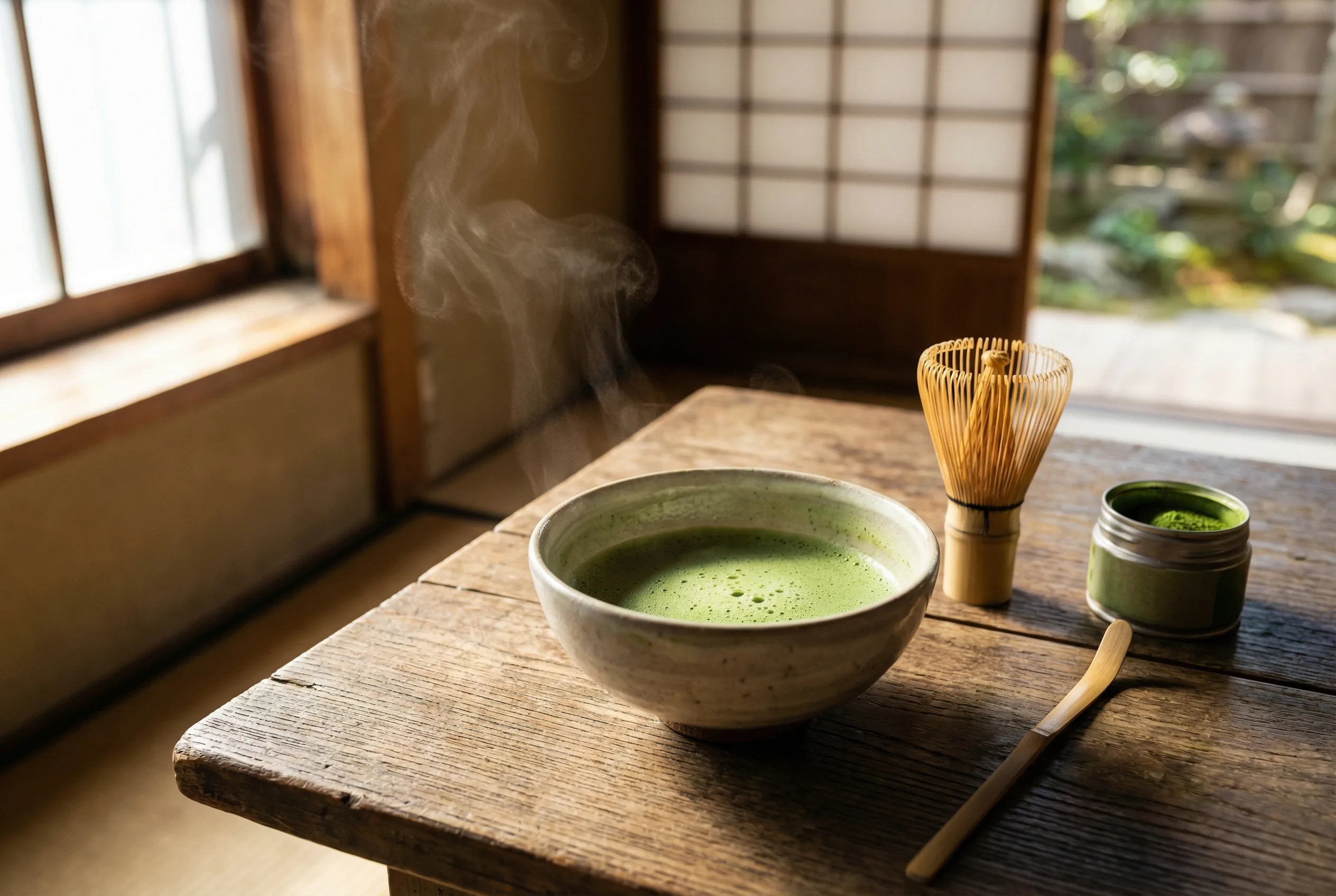
Traditional tea ceremony in Uji follows precise linguistic customs that many first-time guests find intimidating. The verbal exchange between host and guest forms part of the ceremony's choreography, with specific phrases marking each transition. Understanding these expressions transforms passive observation into meaningful participation.
Quick answer
When attending a tea ceremony in Uji, guests should say "O-temae chodai itashimasu" before receiving tea, meaning "I humbly receive your preparation." After drinking, respond with "Kekko na o-temae deshita," expressing gratitude for the host's preparation. When admiring the tea bowl, say "Kei-wan haiken" to request permission to examine it. Silence during the host's preparation demonstrates respect—spoken appreciation comes after the tea is consumed, not during the ritual movements.
The linguistic architecture of Japanese tea ceremony revolves around three core expressions that punctuate the ritual's physical gestures. Each phrase carries layers of meaning that simple translation cannot capture—"O-temae chodai itashimasu" acknowledges not just the tea itself but the years of practice embodied in the host's movements, the seasonal awareness reflected in the scroll selection, and the transient beauty of this singular gathering. Guests unfamiliar with tea ceremony dialogue in Uji often worry about pronunciation perfection, but hosts value sincere effort over flawless execution. The timing of speech matters more than accent—speaking while the host prepares disrupts the meditative flow that defines chado practice. After receiving the matcha bowl, rotate it twice clockwise before drinking, a silent gesture that requires no verbal accompaniment. The phrases guests learn for tea ceremony participation create space for contemplation rather than conversation. Beyond the essential trio of expressions, seasonal greetings referencing the hanging scroll or flower arrangement deepen the exchange. A simple "Suteki na okemono desu ne" commenting on the alcove display demonstrates engagement with the aesthetic environment the host has composed. When the ceremony concludes, "Arigatou gozaimashita" serves as the formal closing, though many Uji tea houses appreciate the additional phrase "Gochisou-sama deshita," originally reserved for meals but now widely accepted in tea contexts. The 1,000 JPY entrance at Taihoan in Uji includes not just matcha and wagashi but implicit instruction in these verbal customs. First-time participants often mime the phrases they hear senior guests use, an imitation that tea masters consider a legitimate learning method. The ceremony's linguistic framework exists to honor the moment's impermanence—what to say during tea ceremony ultimately matters less than the genuine presence with which you say it.
“The phrases guests learn for tea ceremony participation create space for contemplation rather than conversation.”
The tea ceremony relies on precise verbal cues to acknowledge the host's preparation and express gratitude. These brief phrases maintain the ritual's flow and demonstrate respect for the tradition.
The tea ceremony unfolds in four distinct phases, each with its own protocol for speech and silence. From entry to departure, the entire sequence lasts approximately 45 minutes.
Upon entering the tea room, bow toward the alcove (tokonoma) and then to your host. This moment is observed in complete silence—speaking here disrupts the transition into the ceremony's contemplative space.
The host will present seasonal confectionery before preparing tea. Accept with a slight bow and the phrase "O-saki ni" (excuse me for going first) if others are present, then eat in silence while observing the preparation.
When the host presents your bowl, say this phrase (I humbly receive your preparation) while bowing. Rotate the bowl twice clockwise before drinking—this action is performed silently, and many visitors mistakenly add extra words here.
After drinking, wipe the rim and rotate the bowl back. Say "Okashi mo oishuu gozaimashita" (The sweets were also delicious) to acknowledge both elements. This is the primary moment for verbal appreciation—earlier compliments interrupt the host's concentration.
Before leaving, bow and say "Arigatou gozaimashita" (Thank you very much) to the host. Exit quietly without additional conversation, as the ceremony's meditative quality extends through departure.
The tea ceremony venue is open daily to accommodate those wishing to learn and practice the appropriate phrases used during the ceremony.
Everything you need to know about what to say during tea ceremony
In Uji, there are no strict verbal requirements for guests, but a polite bow is the most important gesture. When reflecting on what to say during tea ceremony, remember that quiet appreciation is often valued more than spoken words. Focus on observing the movements of the host with respect.
You do not need to speak Japanese to understand what to say during tea ceremony. Most hosts in Uji are accustomed to international visitors and will guide you through the process gracefully. Your presence and attention are the best forms of communication.
When you receive your bowl, you may use the phrase 'Otemae chodai itashimasu' to express your intent to drink. If you are unsure what to say during tea ceremony, a simple nod or a small bow to the host and fellow guests is perfectly appropriate. Gratitude is primarily conveyed through non-verbal cues.
The host often provides brief guidance or context regarding the ritual, which helps alleviate concerns about what to say during tea ceremony. They will demonstrate how to rotate the tea bowl and handle the utensils. Simply follow the host's lead during the session.
Before consuming the wagashi, it is customary to say 'O-osaki ni' to the person next to you. Learning these small details about what to say during tea ceremony can enhance your experience of the matcha and seasonal confectionery. The focus remains on mindfulness and the connection between host and guest.
While the atmosphere is contemplative, you may quietly ask the host for clarification if you are unsure of a movement. Prioritizing respect for the silence of the tea room is essential, even when you have questions about what to say during tea ceremony. Please arrive during the best window of 10:00–15:00 to ensure a relaxed experience.