1 hr 30 min
Table-Style Tea Ceremony in Historic Kyoto Machiya
Learn matcha whisking in comfort using chairs, sip award-winning Uji tea, and capture photos with traditional props
Reserve
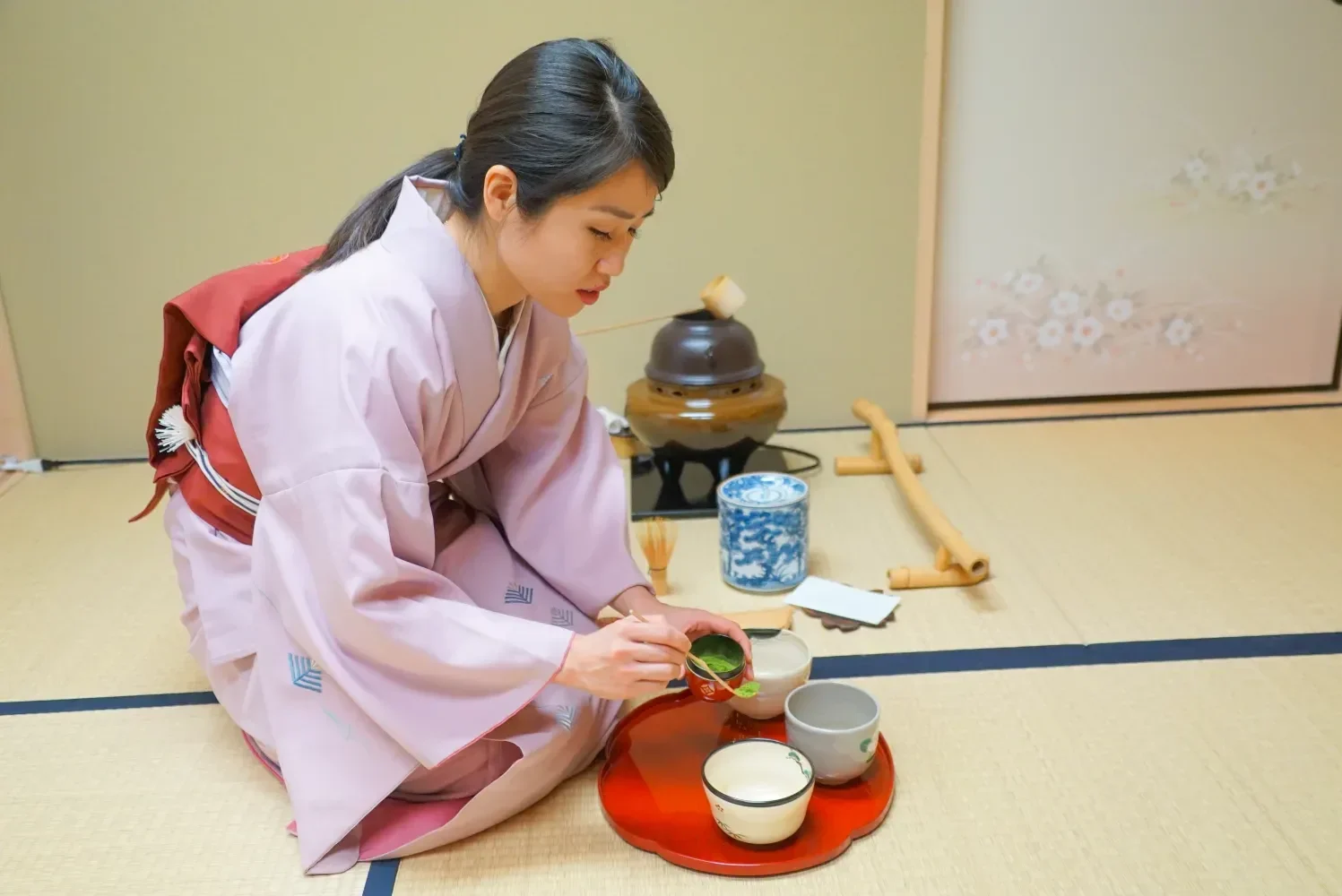
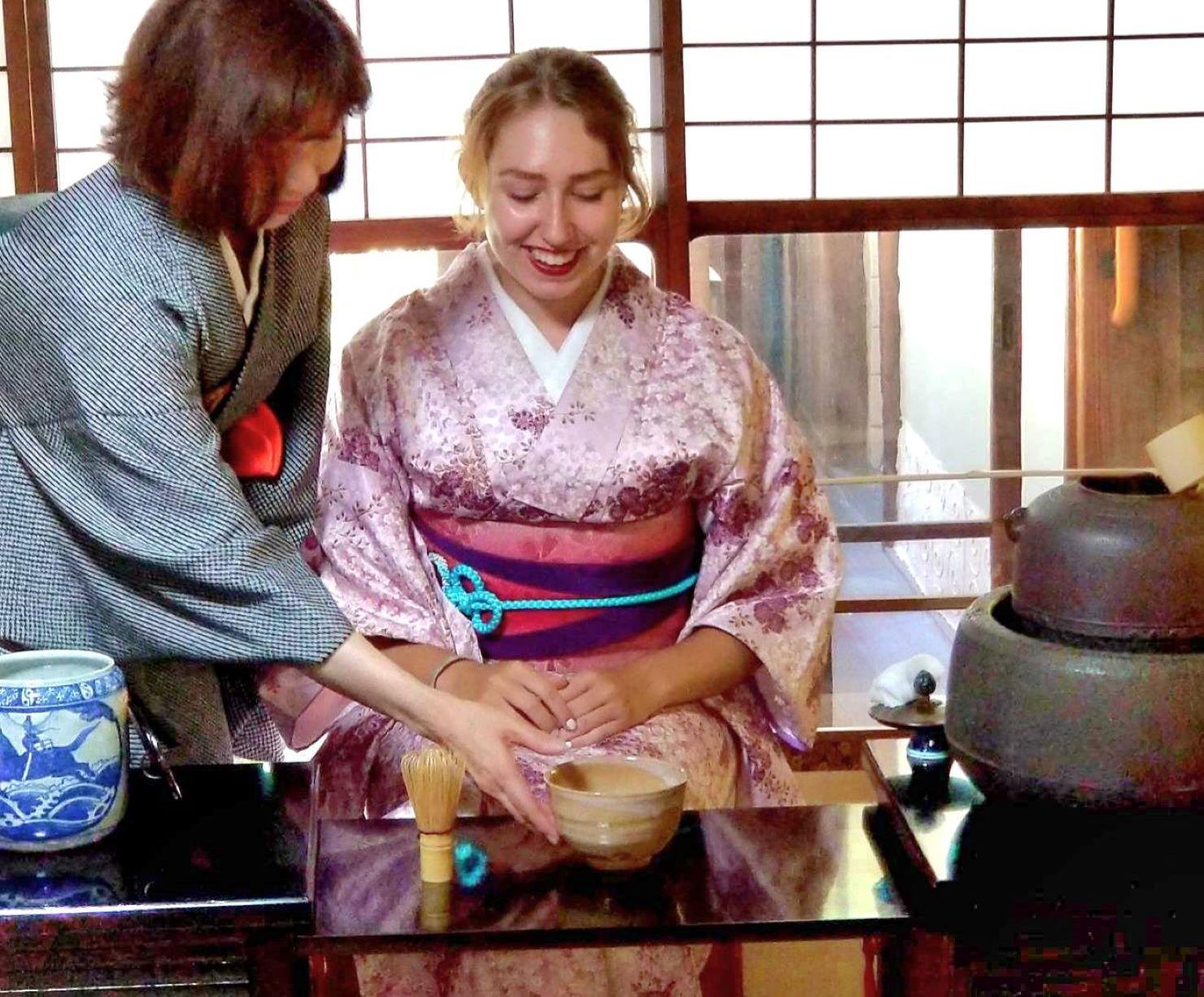
Whisked emerald foam settles in clay bowls, centuries of Kyoto tradition served quietly.
Hand-picked by our editors — only the best 5 experiences from 32 reviewed.
Verified partners for Uji Tea Ceremony tours, free cancellation where available, and instant confirmation on every booking.
1 hr 30 min
Learn matcha whisking in comfort using chairs, sip award-winning Uji tea, and capture photos with traditional props
Reserve
3 hr
Explore Uji's UNESCO temple, cross scenic bridges, and savor a traditional tea ceremony on this 3-hour walk.
Reserve
2 hr 30 min
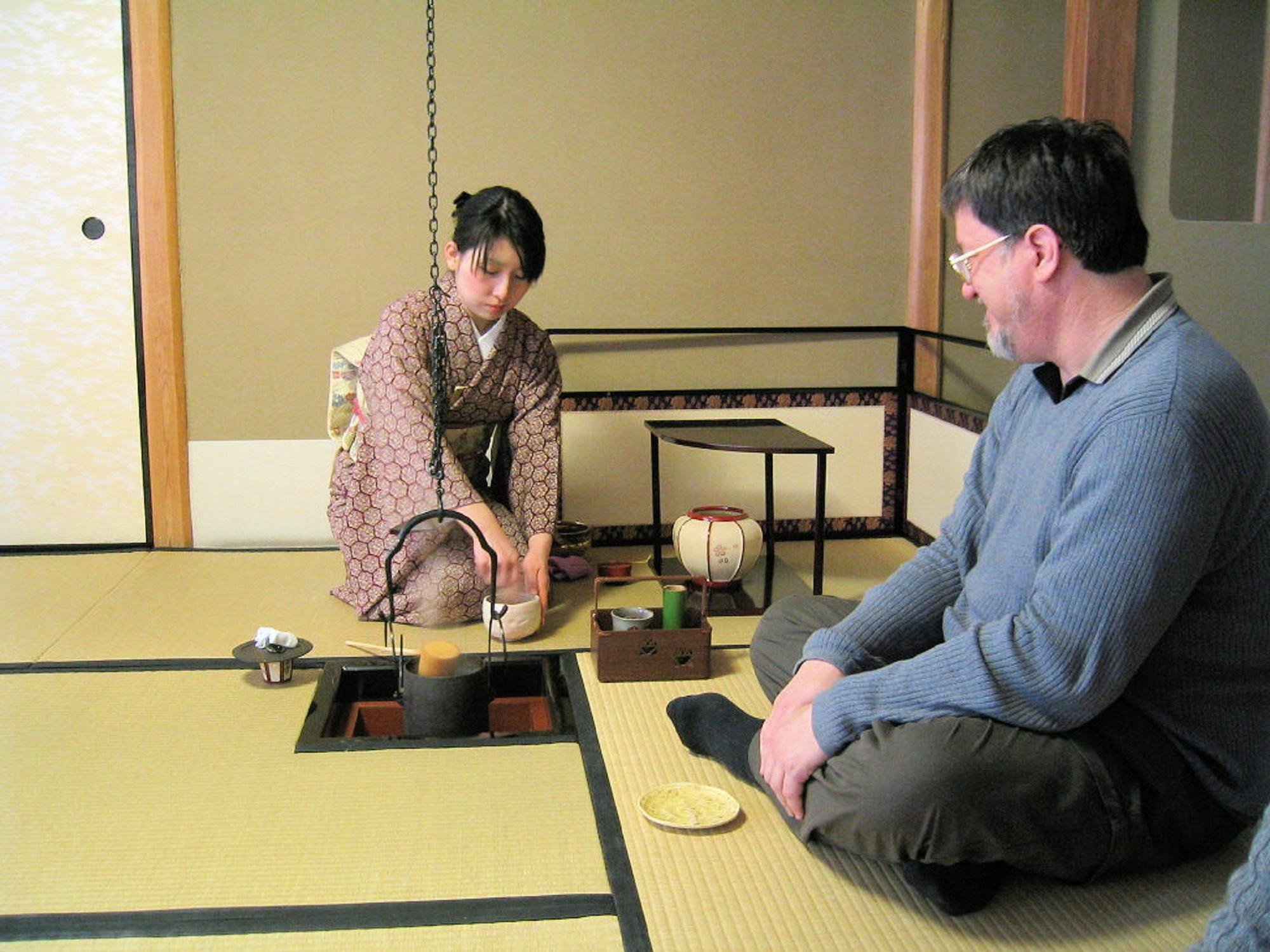
Discover authentic Japanese tea culture in historic Uji, guided by a former geisha in a traditional house
ReservePrices from verified partners. Availability updates in real time at checkout. Free cancellation policies apply where shown.
The landmarks, rooms, and views travelers on Uji Tea Ceremony tours remember — all visible on a single visit.
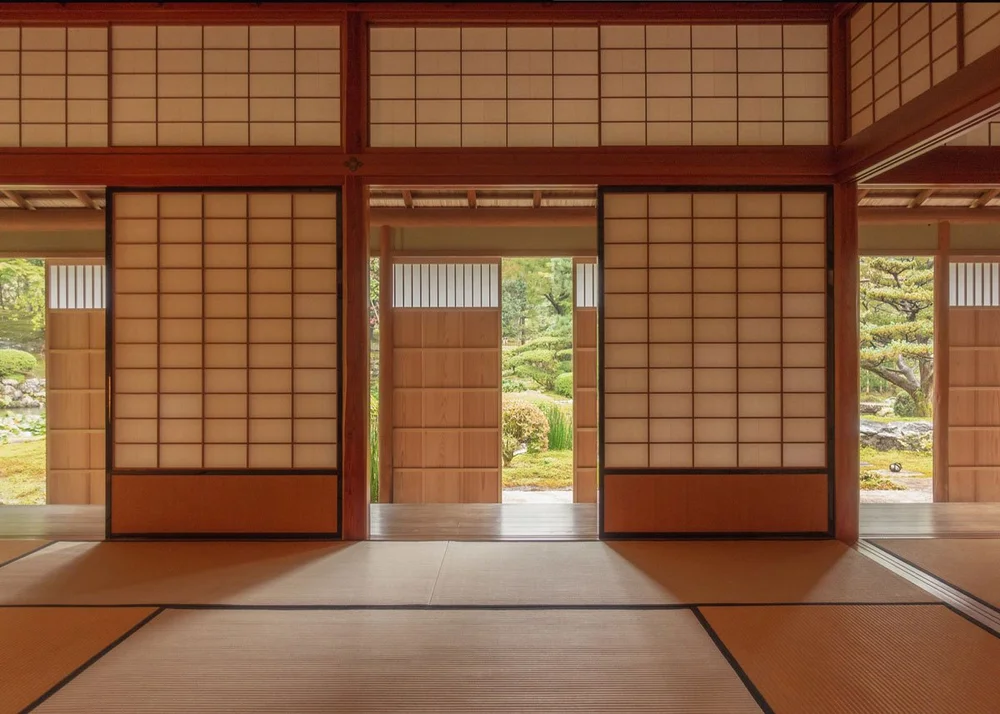
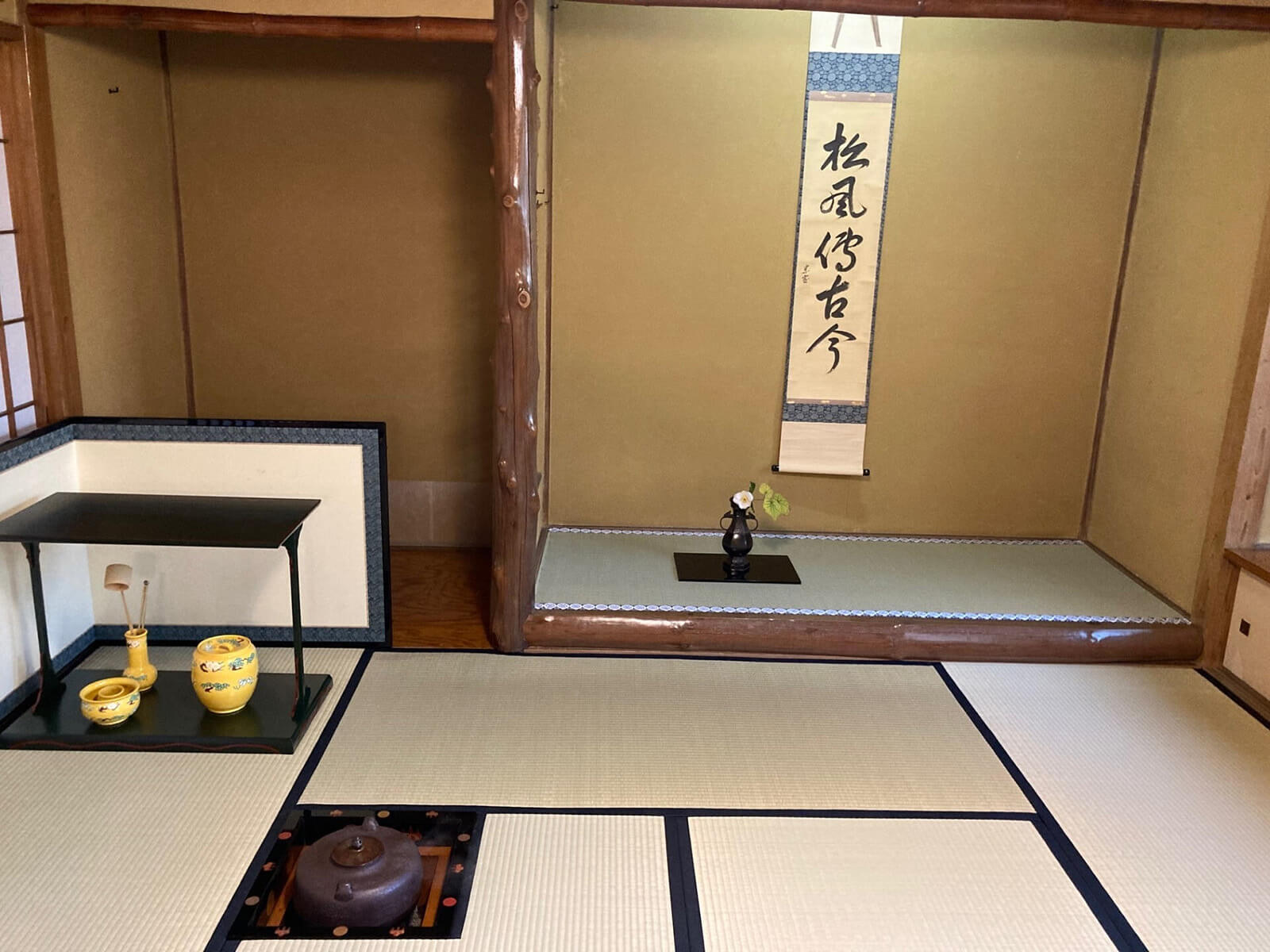
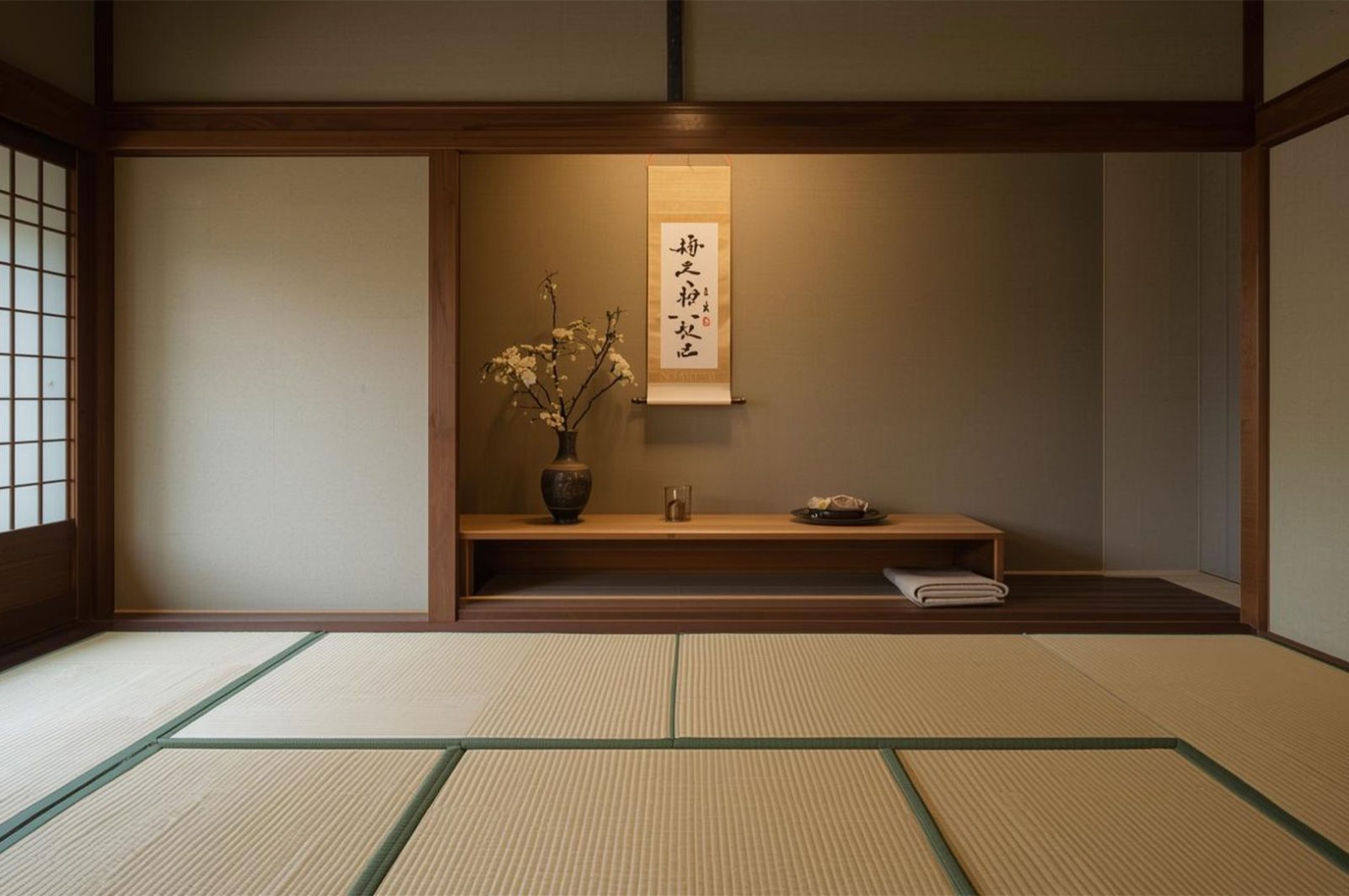
An authentic space designed for meditative tea preparation, offering a direct view of the Uji River and the serene surroundings.
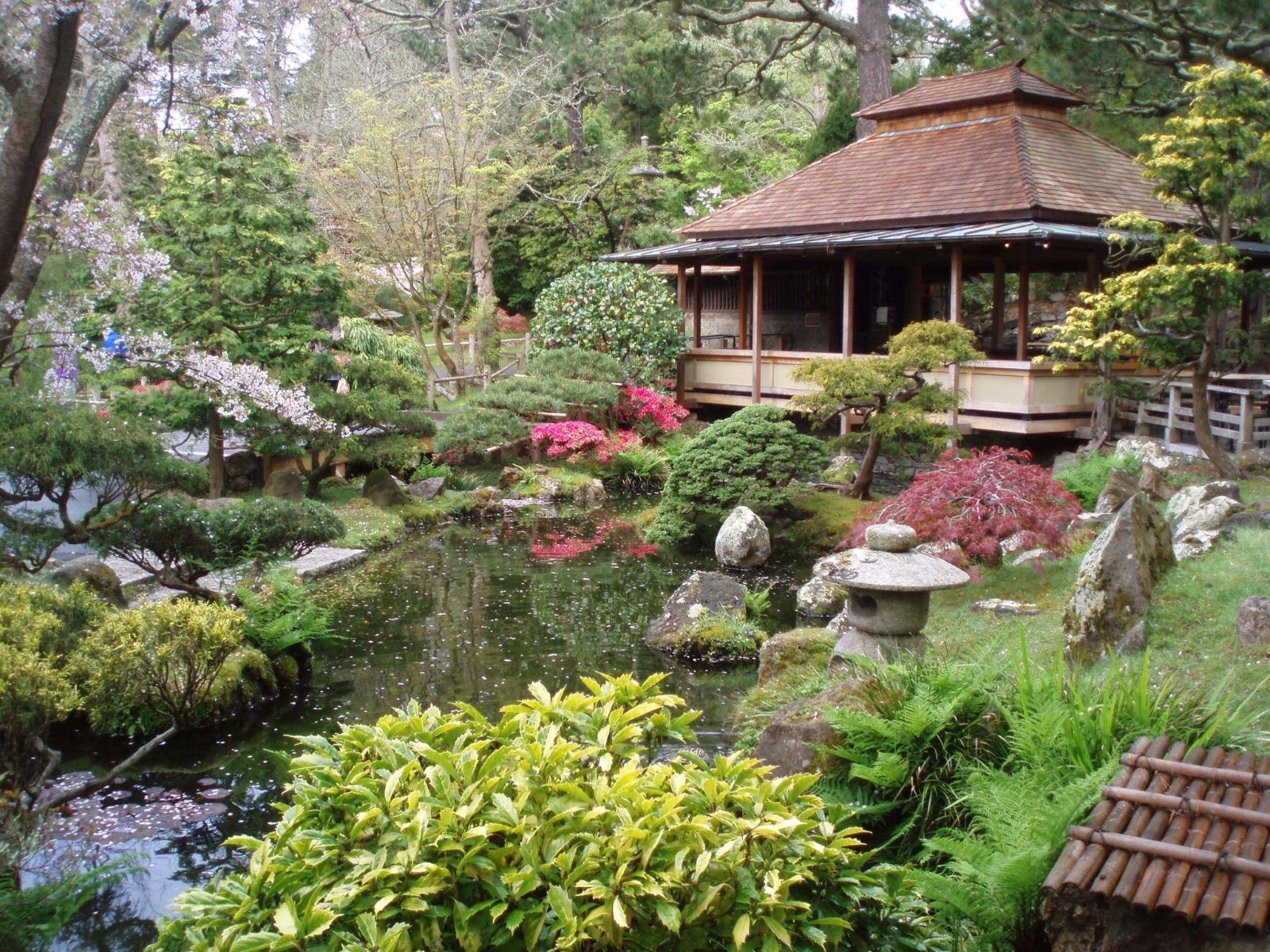
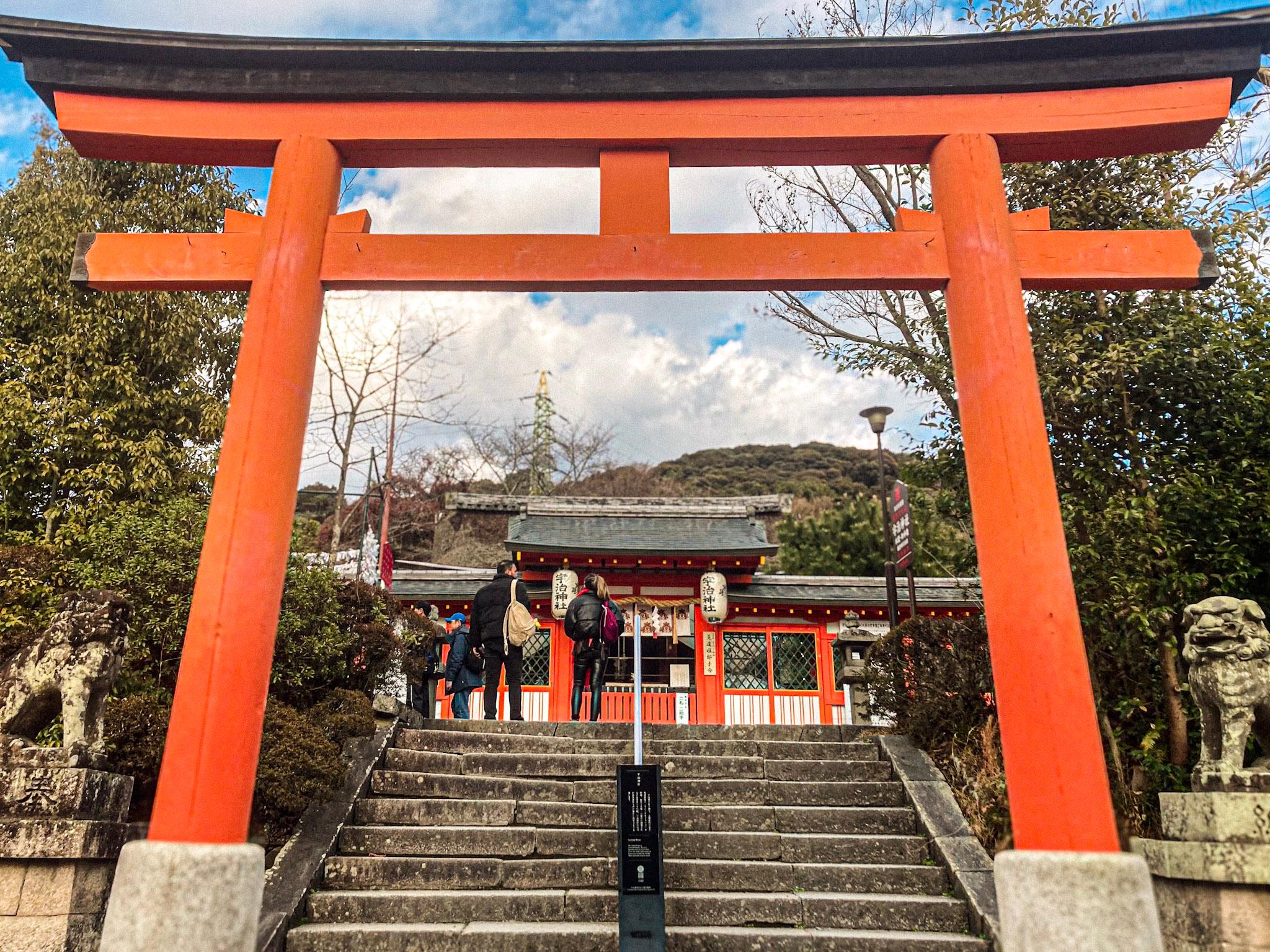
A meticulously maintained garden featuring stone lanterns and seasonal plantings that frame the approach to the tea house.
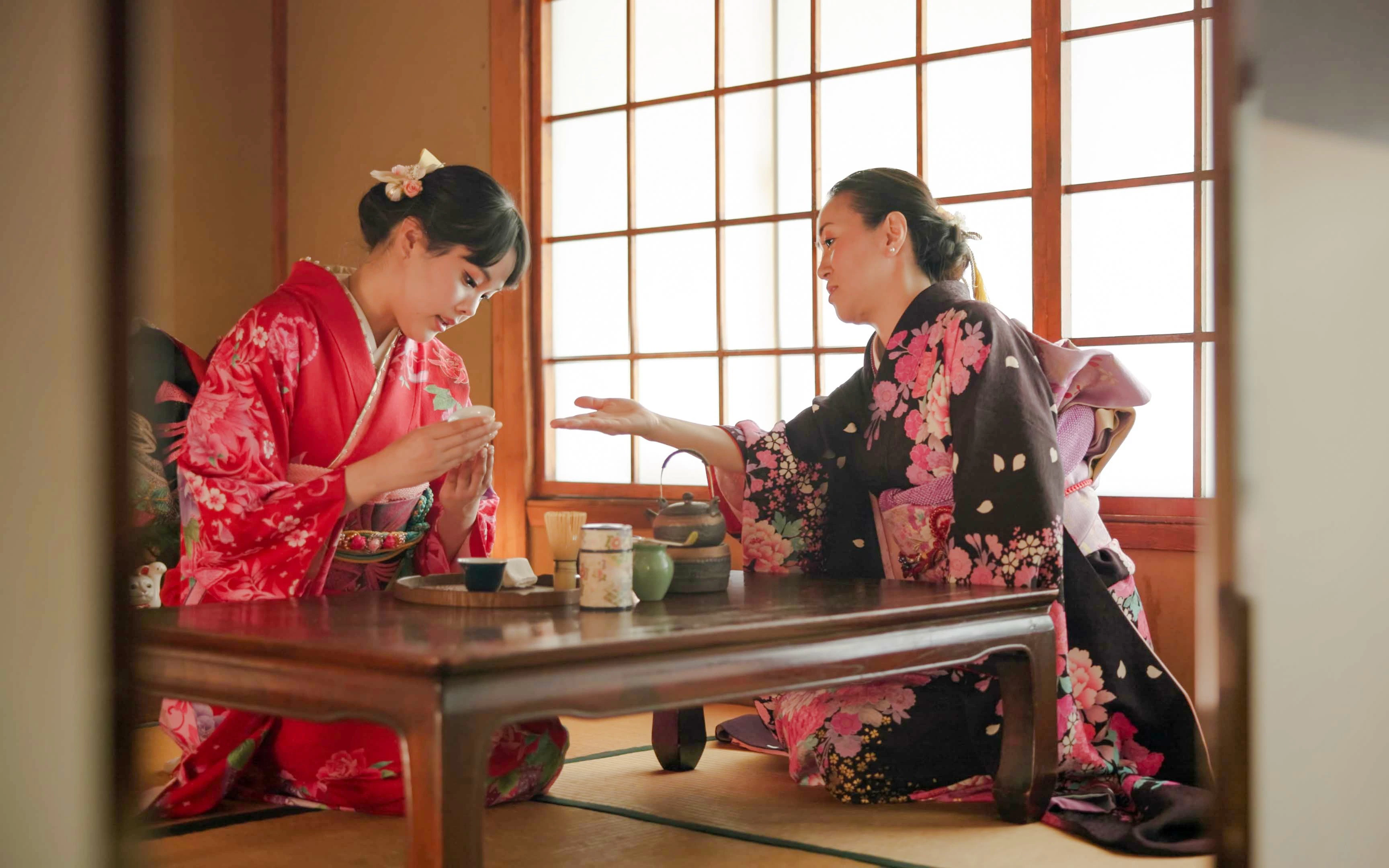
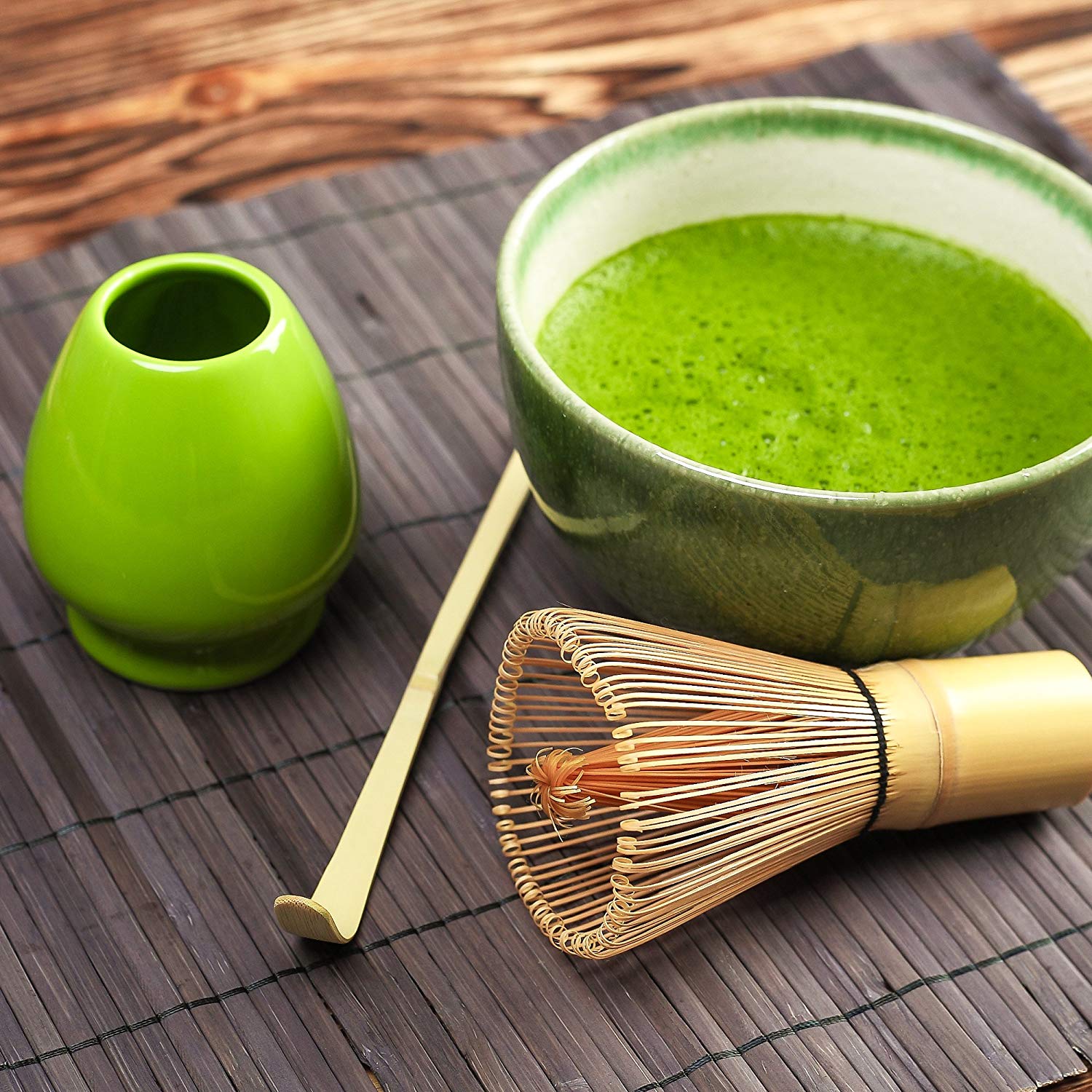
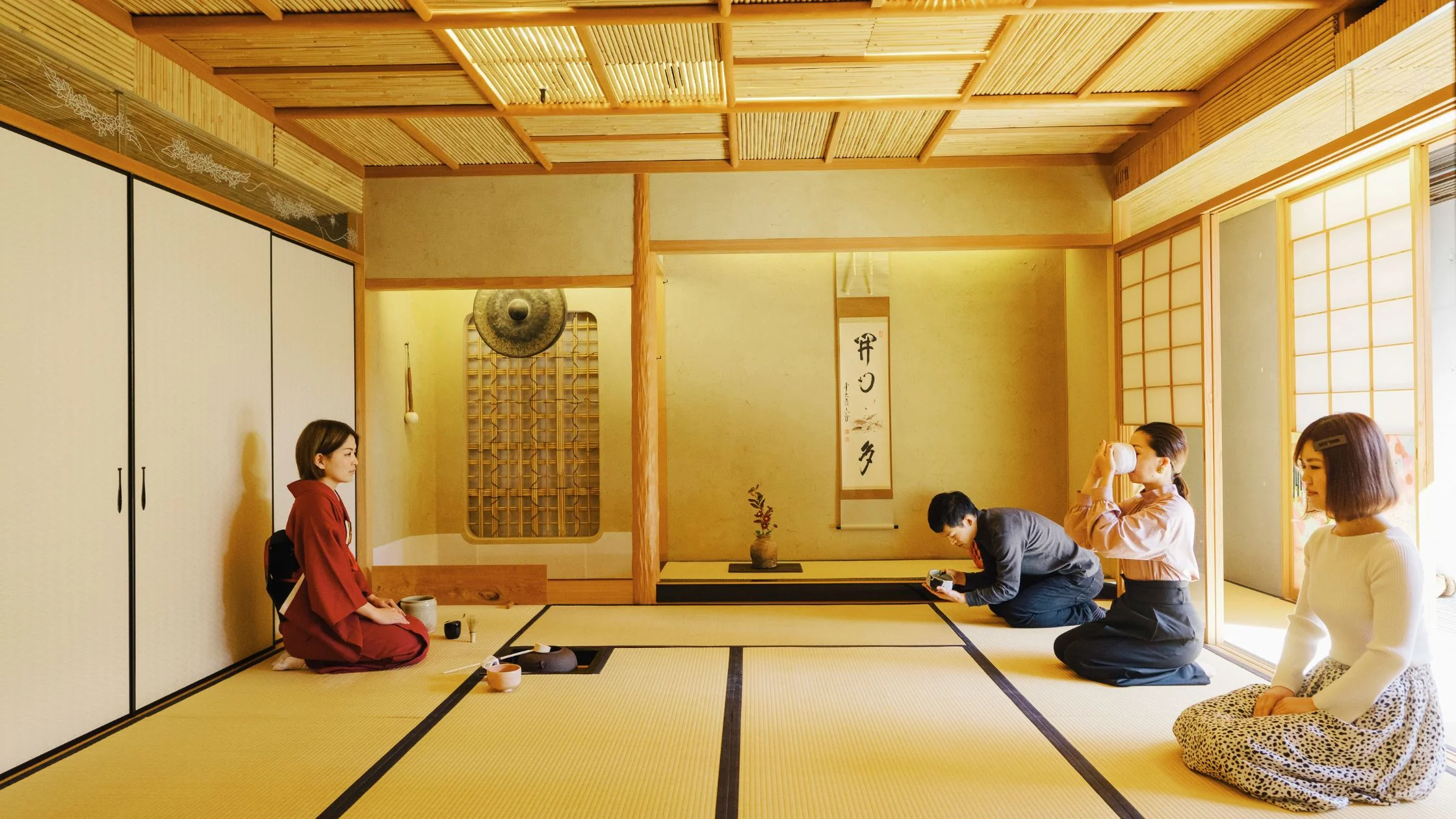
The dedicated area where guests witness the precise, centuries-old art of the matcha whisking process.
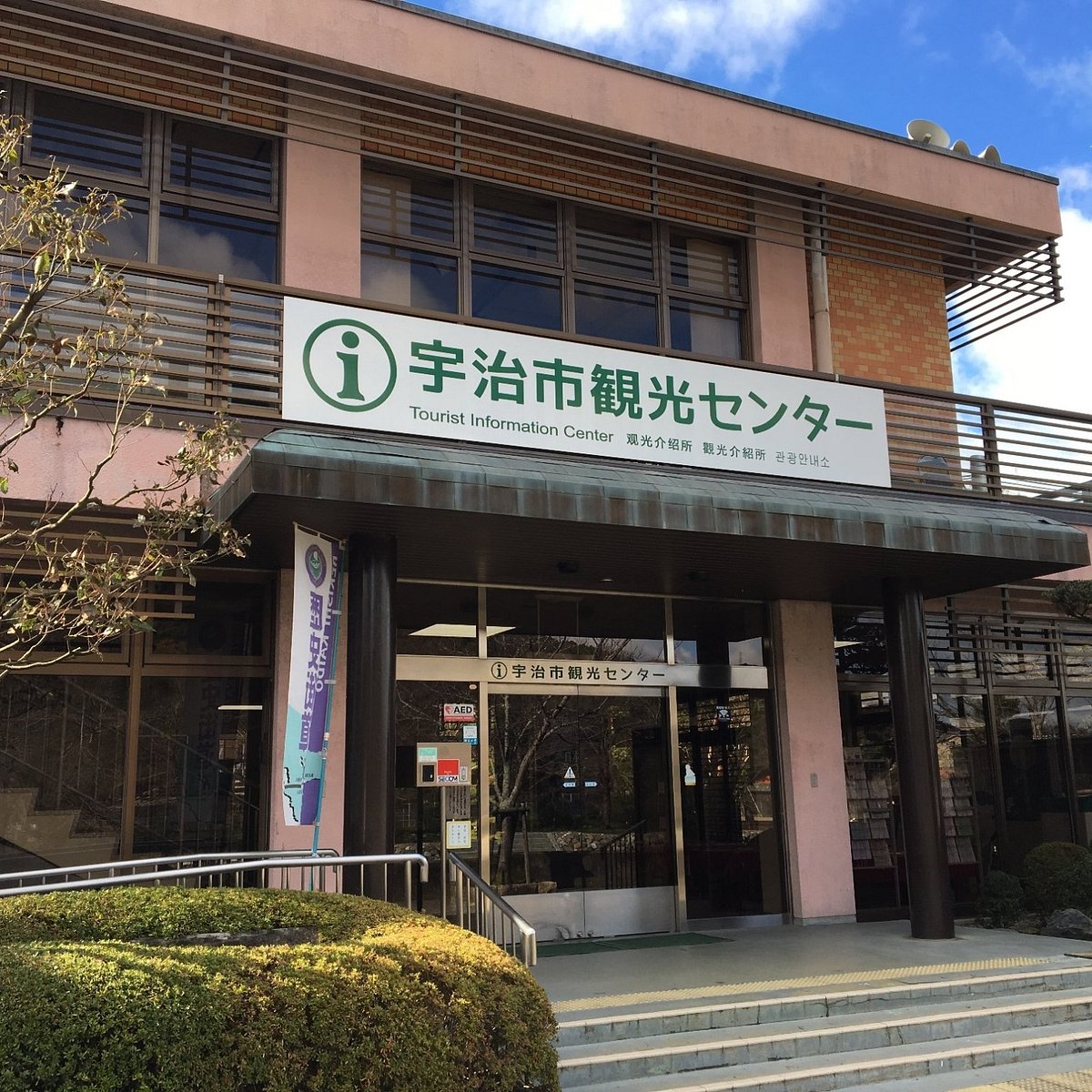
The primary hub for visitor services, ticket collection, and localized tourism information for the Uji area.
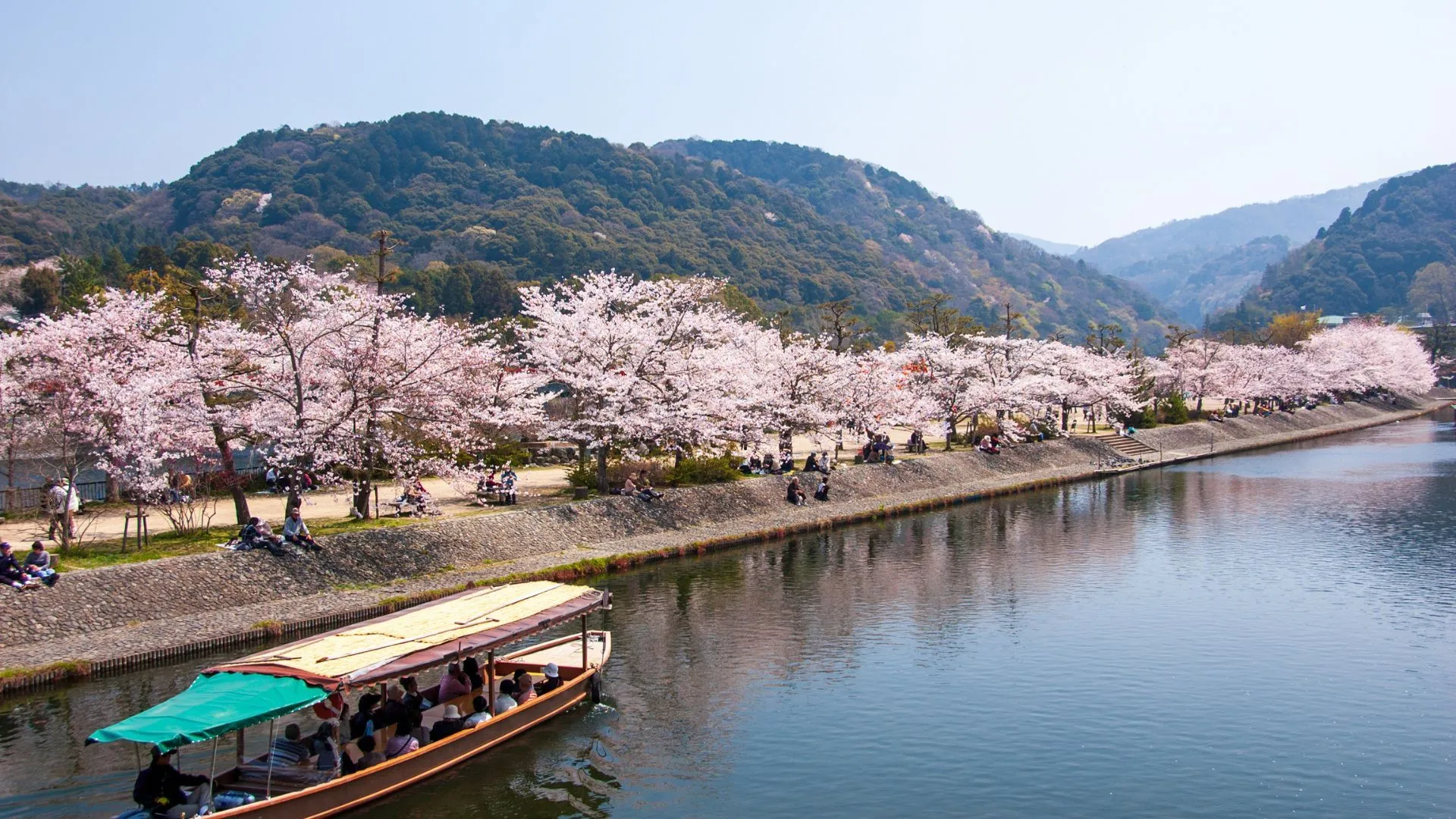
The scenic riverside walkway that leads visitors from the station to the tea house through historic Uji.
Every Uji Tea Ceremony tour side-by-side — duration, what's included, how you redeem.
| Experience | Duration | Rating | Guide | Small group | Free cancel. | Price | |
|---|---|---|---|---|---|---|---|
|
Standard Entry Most popular
Table-Style Tea Ceremony in Historic Kyoto Machiya
|
1 hr 30 min | ★ 4.9 | — | — | ✓ | $44 | Book → |
|
Standard Entry
Uji Heritage Walk & Traditional Tea Ceremony Tour
|
3 hr | ★ 4.6 | ✓ | ✓ | ✓ | $68 | Book → |
|
Luxury / Private
Private Matcha Tasting & Tea Ceremony with Former Geiko in Uji
|
2 hr 30 min | ★ 5.0 | ✓ | — | ✓ | €101 | Book → |
All prices from verified partners. Availability and exact terms confirmed at checkout.
Taihoan provides an authentic municipal experience that complements the intimate, tailored nature of private studios, with most visitors finding the latter superior for personalized instruction and deeper cultural immersion.
| Feature | Top pick Taihoan | Private Studios |
|---|---|---|
Experience Type |
Municipal public service | |
Boutique private instruction;Accessibility |
High (walk-ins welcome) | |
Low (by appointment only);Booking Requirement |
Not required | |
Reservation required;Formality Level |
Traditional etiquette | |
Variable to casual;Price |
1,500 JPY | |
3,000–8,000 JPY;Customization |
Standard service | |
| See tickets → |
Verdict: Choose Taihoan for a traditionaluji tea ceremony tour focused on public accessibility, or book a private studio if you preferuji tea ceremony tickets that offer flexible, intimate engagement with matcha preparation.
Choose your ticket, select your date, and reserve in under two minutes. Secure checkout handled by our verified partner.
Instant confirmation by email, with a mobile voucher you can save offline. No printing, no queuing at a collection desk.
Arrive at the entrance, show your voucher on your phone, and walk in. Most tickets include priority or skip-the-line access.
Practical details for Uji Tea Ceremony tickets straight from our verified partners — hours, access, rules, and how to get there.
2 Uji Tokawa
Present your booking confirmation here for entry.
Open in Google MapsTake the JR Nara Line to JR Uji Station and walk for 15 minutes along the Uji River.
Casual attire is acceptable, but guests are encouraged to remove shoes before entering the tatami rooms. Wearing socks is recommended for comfort and etiquette in the traditional setting.
Large bags are not permitted inside the tea room and should be left at the Uji City Tourist Center. Security staff monitors the premises to maintain the serene atmosphere.
Photography is permitted in common areas but restricted during the tea preparation demonstration to respect the ceremony's focus. Please consult the staff before capturing images of the tea master.
The tea house provides stools for those unable to sit on the tatami mats. The flat entry paths are suitable for guests with limited mobility.
Please set devices to silent mode upon entry. Refrain from taking calls within the tea room to preserve the meditative environment.
Children are welcome to observe, though a quiet demeanor is expected throughout the service. The traditional setting requires close supervision of younger visitors.
Each service includes seasonal wagashi sweets paired with the selected tea. Consumption of outside food or beverages is not permitted within the tea house.
Pets are not allowed inside the facility. Please make arrangements for animal care before your arrival.
As of 2026, visitors are encouraged to book online for a seamless experience. The Uji City Tourist Center issues tickets for your scheduled seat.
2 Uji Tokawa
Present your booking confirmation here for entry.
Get directionsBest time to go, insider tips, nearby landmarks, and the cancellation fine print — flip through to skim what matters to you.
How crowds, weather, and events shift across the year.
Late March to early April features beautiful cherry blossoms in the surrounding Uji River area.
June provides lush greenery, though reservations are recommended early for peak season.
October to November offers stunning autumn foliage views and ideal weather for a uji tea ceremony.
January to February is quiet, providing a contemplative atmosphere for indoor cultural visits.
Small details that turn a good visit into a great one.
Aim to arrive at the Uji City Tourist Center 15 minutes before your scheduled slot to collect your ticket.
For the best experience, book specialized uji tea ceremony courses at least three days in advance online.
Non-bookable sights within a short walk — free to visit, easy to pair.
A UNESCO World Heritage site known for its iconic Phoenix Hall shown on the 10-yen coin.
Flexible, no hidden fees.
For basic service, cancellations on the day of your reservation incur a 100% fee. For advanced workshop bookings, cancellations made 2 days or more prior to the visit incur a 100% fee.
Hand-picked options within walking distance — pick a district for vibe, or a specific hotel for convenience.
Numerous boutique inns and historic ryokans located within walking distance of the tea house.
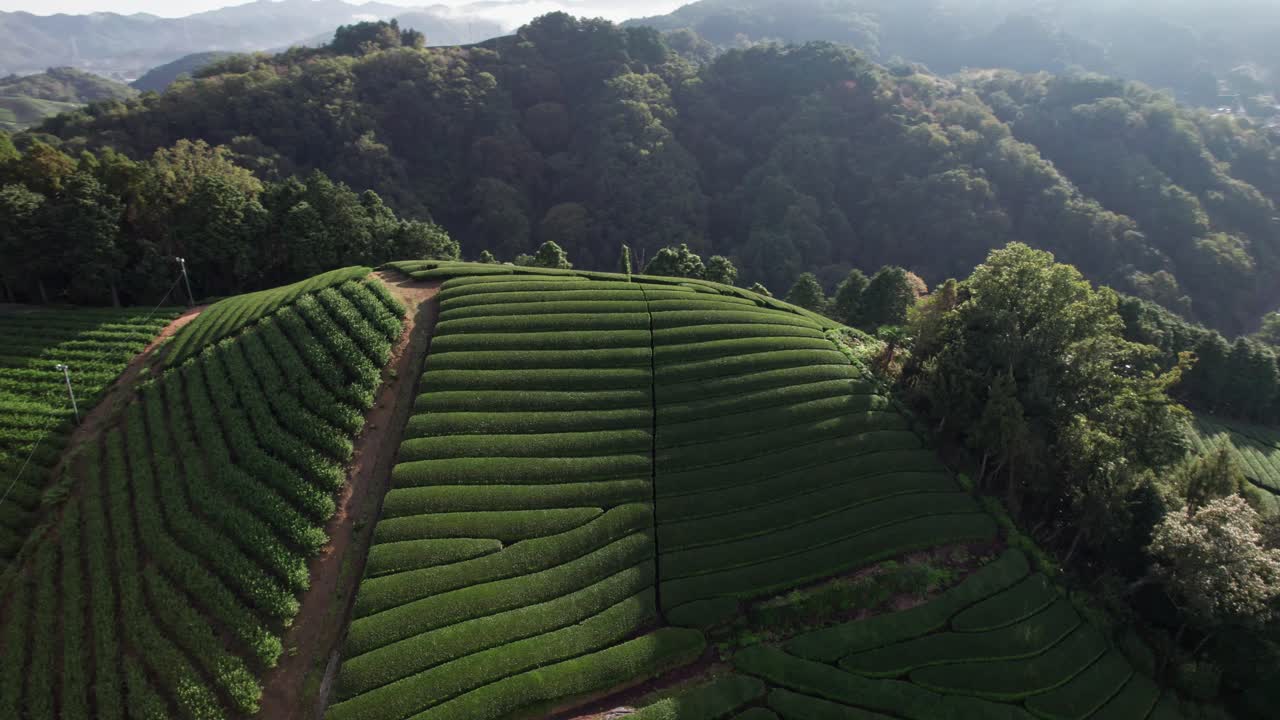
Kyoto Prefecture cultivates a distinct emerald leaf along the banks of the Uji River, a geographic advantage that established the region as the undisputed center of Japanese green tea production.
The Uji Tea Ceremony represents the physical manifestation of this agricultural legacy, functioning not merely as a beverage service but as a meticulously choreographed ritual of hospitality and mindfulness. Originating during the Kamakura period when Zen Buddhist monk Eisai brought tea seeds from China, the local cultivation methods evolved rapidly. Monks and nobles recognized that the misty microclimate near the Uji River yielded a sweeter, more complex flavor profile than leaves grown elsewhere.
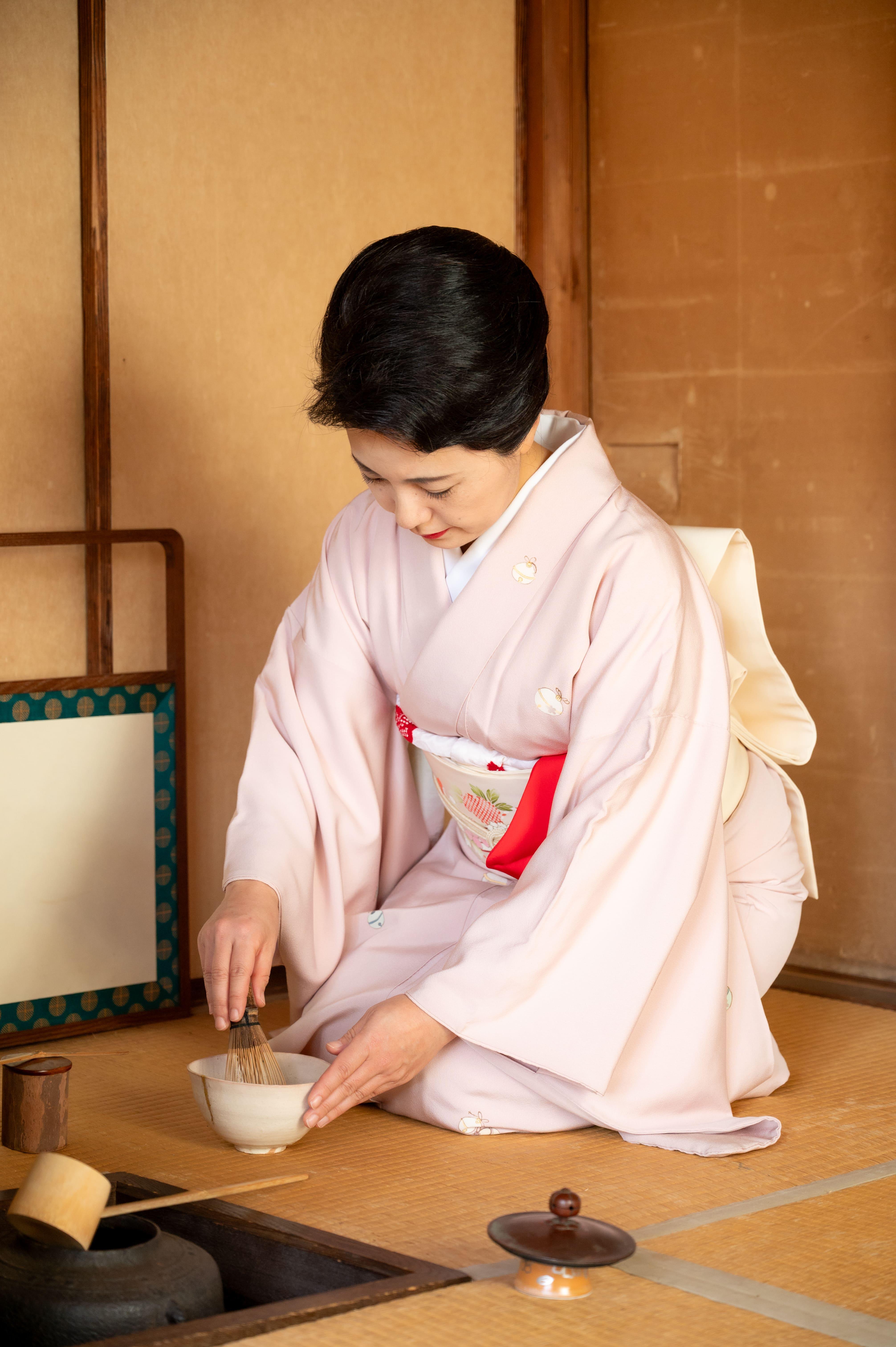
Today, taking part in an authentic uji tea ceremony experience offers direct insight into Sen no Rikyu’s enduring sixteenth-century philosophy of harmony, respect, purity, and tranquility. The traditional architecture of the local chashitsu, or teahouse, isolates guests from the external world. These structures rely on unvarnished wood, earthen walls, and precise tatami mat flooring to focus attention inward. Within these minimalist walls, the tea master measures out vividly green matcha powder and pours water heated to precise temperatures. The rhythmic motion of the bamboo chasen, or whisk, creates a dense layer of foam across the surface of the ceramic bowl. Every gesture, from the folding of the silk fukusa to the presentation of seasonal wagashi sweets, carries centuries of refined intent.
Scholars studying the area frequently examine venues like the Uji tea ceremony hall, where preservationists maintain strict adherence to historical protocols. These municipal and private spaces often overlook the river, integrating the natural water currents into the acoustic environment of the tearoom. Visitors engaging in an organized uji tea ceremony tour often discover that the aesthetic choices within the room change based on the month. Calligraphy scrolls and floral arrangements in the tokonoma alcove reflect the shift from the humid summers to the crisp autumn air characteristic of October 2026.
While casual consumption of matcha has proliferated globally, the deliberate pacing found here remains distinct. Those arranging an uji tea ceremony reservation commit to slowing down, observing the subtle imperfections of handmade raku pottery, and tasting the profound bitterness and underlying sweetness of the sencha or matcha. Participants often enhance the historical context by wearing traditional garments, seamlessly turning a standard tasting into a full uji tea ceremony kimono immersion. Engaging with these curated uji tea ceremony tours ensures that the rigorous standards of Kyoto’s master cultivators and tea practitioners persist into the modern era, sustaining a cultural institution built on water, leaves, and time.

"The traditional architecture of the local chashitsu isolates guests from the external world, focusing attention inward on the precise preparation of the matcha."
A step-by-step walkthrough of Uji Tea Ceremony tickets — what you'll see, how long each stage takes, and the details that matter.
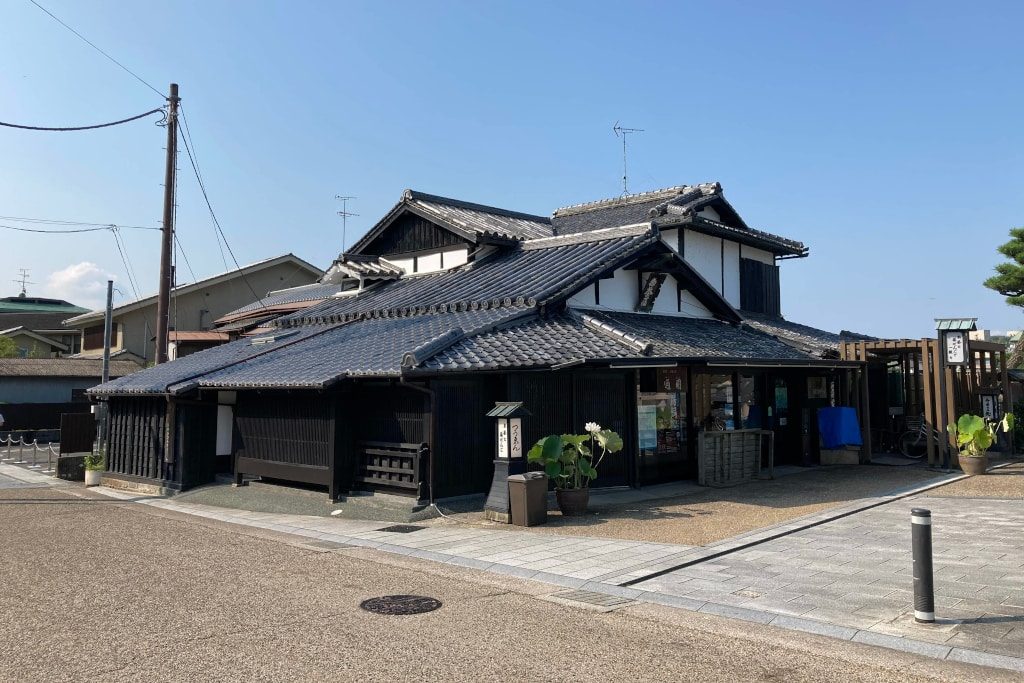
You approach the wooden facade at 2 Uji Tokawa, Uji City, Kyoto Prefecture 611-0021, stepping off the street into a carefully maintained garden pathway.
Arriving during the recommended window of 10:00 to 15:30 ensures you secure a seating in the quiet tearoom, though aiming for the 10:00 opening guarantees the first session of the day. You present your uji tea ceremony tickets and pay the 1,500 JPY entrance fee, which covers the fundamental matcha or sencha service.
Removing your shoes at the stone step, you enter the hushed chashitsu and take your position on the woven tatami mats. The host greets you with a slight bow, signaling the beginning of the Uji Tea Ceremony. You watch the host cleanse the bamboo scoop and whisk with deliberate, practiced motions. Steam rises from the cast-iron kettle, filling the small room with the faint scent of charcoal and fresh water.
A seasonal sweet is placed before you, designed to balance the impending bitterness. The host whisks the bright green powder until a thick froth forms, then rotates the ceramic bowl precisely before handing it to you. You take a slow sip, tasting the deeply umami-rich flavor profile specific to this Kyoto region. After finishing the bowl, you examine the pottery’s unique glaze. Stepping back outside, you find yourself just a short walk from Byodoin Temple, carrying the calm focus of the way of tea into the remainder of your afternoon.
Reservations are strongly recommended for specialized experiences, though basic service may be available on a walk-in basis.
The tea house is open from 10:00 to 16:00 daily, except for annual closures.
Entrance starts from 1,500 JPY per person for basic matcha or sencha service.
Yes, the venue provides chairs and stools for guests who have difficulty sitting on traditional tatami floors.
Photography is allowed in common areas but restricted during the master's performance to maintain the atmosphere.
The last entry for guests to begin their visit is 15:30 each day.
Yes, several historic tea houses in the Uji district offer unique cultural programs and tastings.
Children are welcome, provided they can remain quiet during the formal uji tea ceremony.
The tea house is located at 2 Uji Tokawa, Uji City, Kyoto Prefecture 611-0021.
There is no strict dress code, but clean socks are recommended for comfort and etiquette inside the tatami room.