Uji Tea Ceremony
Tea Heritage Guide

What Is Uji Tea

Uji tea represents the pinnacle of Japanese green tea cultivation, a tradition rooted in the hillsides south of Kyoto for over eight centuries. This informational guide explains what sets Uji tea apart, from its unique growing conditions to the refinement techniques that made it the beverage of emperors and tea masters.

7 min read Updated 2026-10-01 Fact-checked
What Is Uji Tea

Quick answer

Uji tea is premium Japanese green tea cultivated in the Uji region of Kyoto Prefecture, celebrated for its delicate sweetness, minimal astringency, and deep umami flavor. The area's misty climate, mineral-rich soil, and centuries-old shading techniques produce matcha and sencha varieties considered among the finest in Japan. Uji has supplied tea to the imperial court since the 13th century and remains the benchmark for Japanese tea quality today.

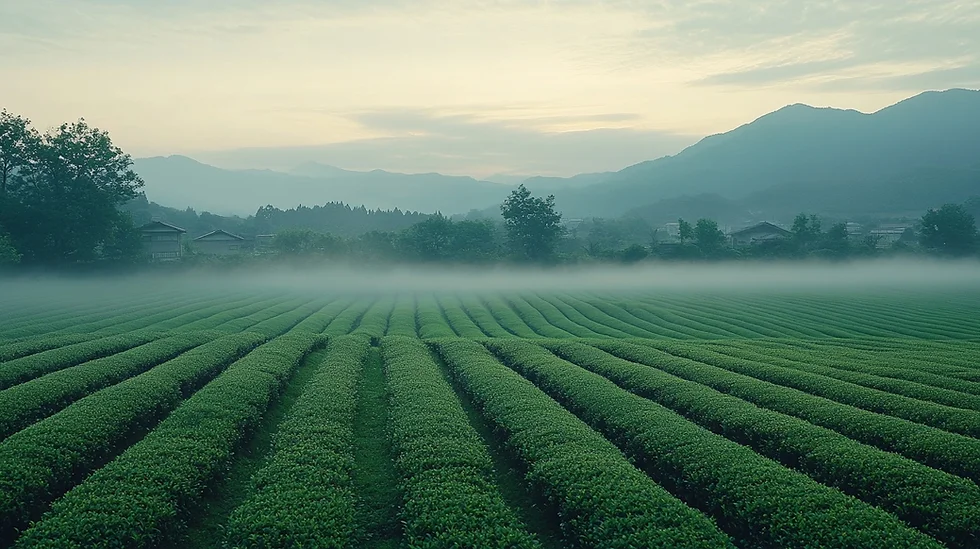
Monks first planted tea seeds in Uji's terraced hillsides in 1191, a gift from China that would define the region's identity for the next millennium. The area's geography—morning mist rolling off the Uji River, volcanic soil from ancient eruptions, and temperatures moderated by surrounding mountains—created conditions that coaxed exceptional flavor from Camellia sinensis leaves. What is Uji tea in practical terms? It refers to green tea grown within a designated area of southern Kyoto Prefecture, primarily the city of Uji and neighboring districts. The term encompasses multiple tea types: gyokuro (shade-grown leaf tea), tencha (the raw material for matcha), and sencha (steamed leaf tea). All share the Uji terroir but differ in cultivation and processing. Gyokuro and tencha undergo tana shading—farmers cover the plants with reed screens or tarps for three weeks before harvest, forcing the leaves to produce higher chlorophyll and L-theanine levels while reducing catechins. This intervention yields the trademark sweetness and lack of bitterness that distinguish Uji tea from other Japanese greens. By the 16th century, Uji had become synonymous with Japan's tea culture. Sen no Rikyū, who codified the wabi-cha tea ceremony, sourced his matcha exclusively from Uji fields. The Tokugawa shogunate formalized the region's reputation, designating Uji as an official tea supplier and protecting its cultivation methods. Today, fewer than 400 hectares remain under tea production in Uji proper—a fraction of Shizuoka's industrial scale—but the name still commands premium prices at auction. Authentic Uji matcha can cost five times more than generic Japanese matcha. The Uji region now balances heritage with accessibility. Visitors can walk through working tea fields, observe traditional stone-grinding of tencha into matcha powder, and taste single-cultivar teas that reveal how varietals like Samidori or Asahi differ in astringency and finish. Understanding what is Uji tea requires experiencing the landscape that shaped it: the dense canopy of shade structures in late April, the hand-plucking of first-flush leaves, and the marriage of mineral water and leaf that produces a liquor both bright green and almost savory in depth.

“Uji has supplied tea to the imperial court since the 13th century and remains the benchmark for Japanese tea quality today.”
What to see

Key Locations to Experience What Is Uji Tea

Exploring Uji tea involves visiting historical sites where traditional cultivation methods and preparation techniques have been preserved for centuries. These locations offer insight into the landscape and tea houses that define the region's cultural heritage.

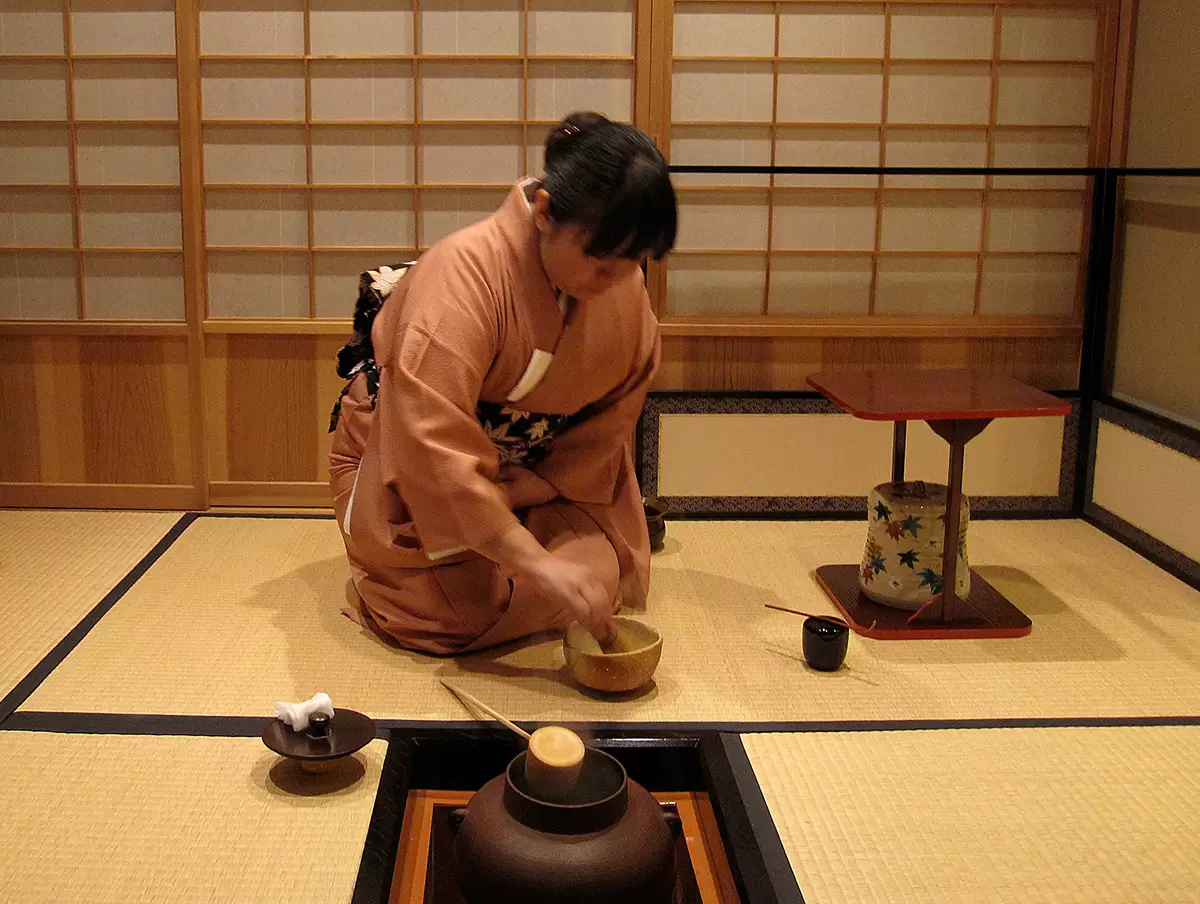
Taiho-an Tea House

Taiho-an Tea House

A public tea house designed for experiencing traditional tea ceremonies in a serene, authentic setting. Visitors can participate in guided sessions to observe the precise preparation of Uji matcha.

Arrive early to secure a spot for the morning tea service.
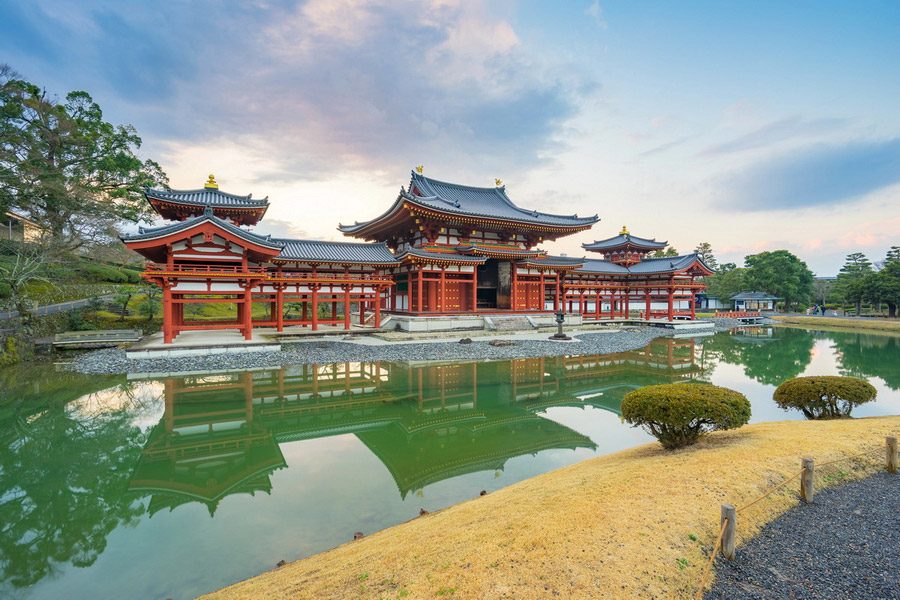
Byodo-in Temple Grounds

Byodo-in Temple Grounds

A UNESCO World Heritage site featuring historic gardens that provide context to the tea culture rooted in Uji. The temple's association with tea dates back to the early cultivation era in the region.

Walk the perimeter path to view the tea plant specimens.

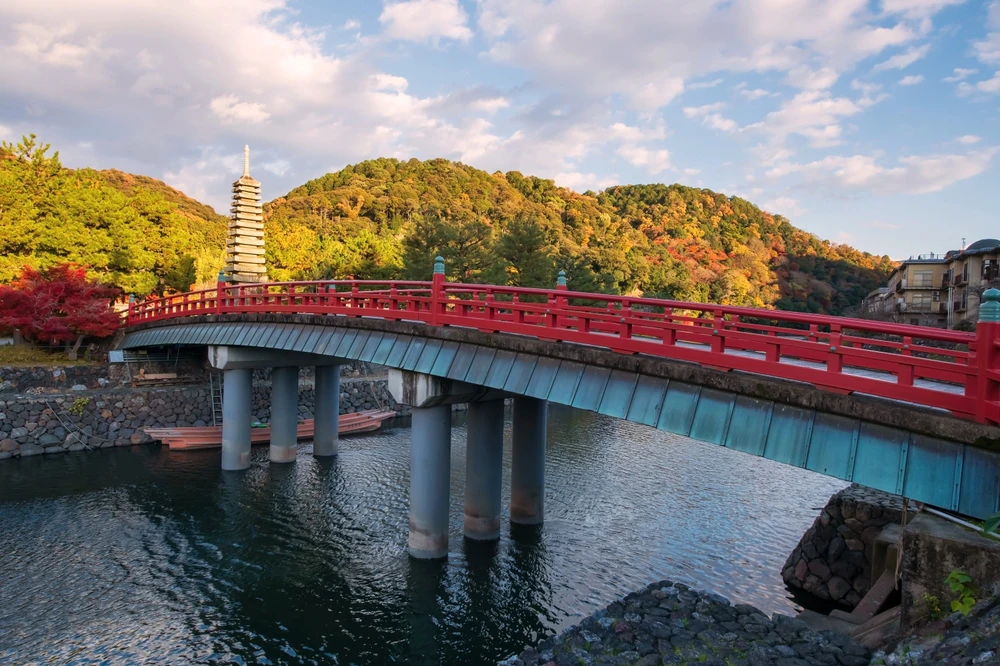
Uji Bridge

Uji Bridge

One of the oldest bridges in Japan, frequently mentioned in historical tea literature and poetry. It serves as a visual landmark connecting the historic tea production areas.

Visit at dawn to photograph the bridge without the crowds.

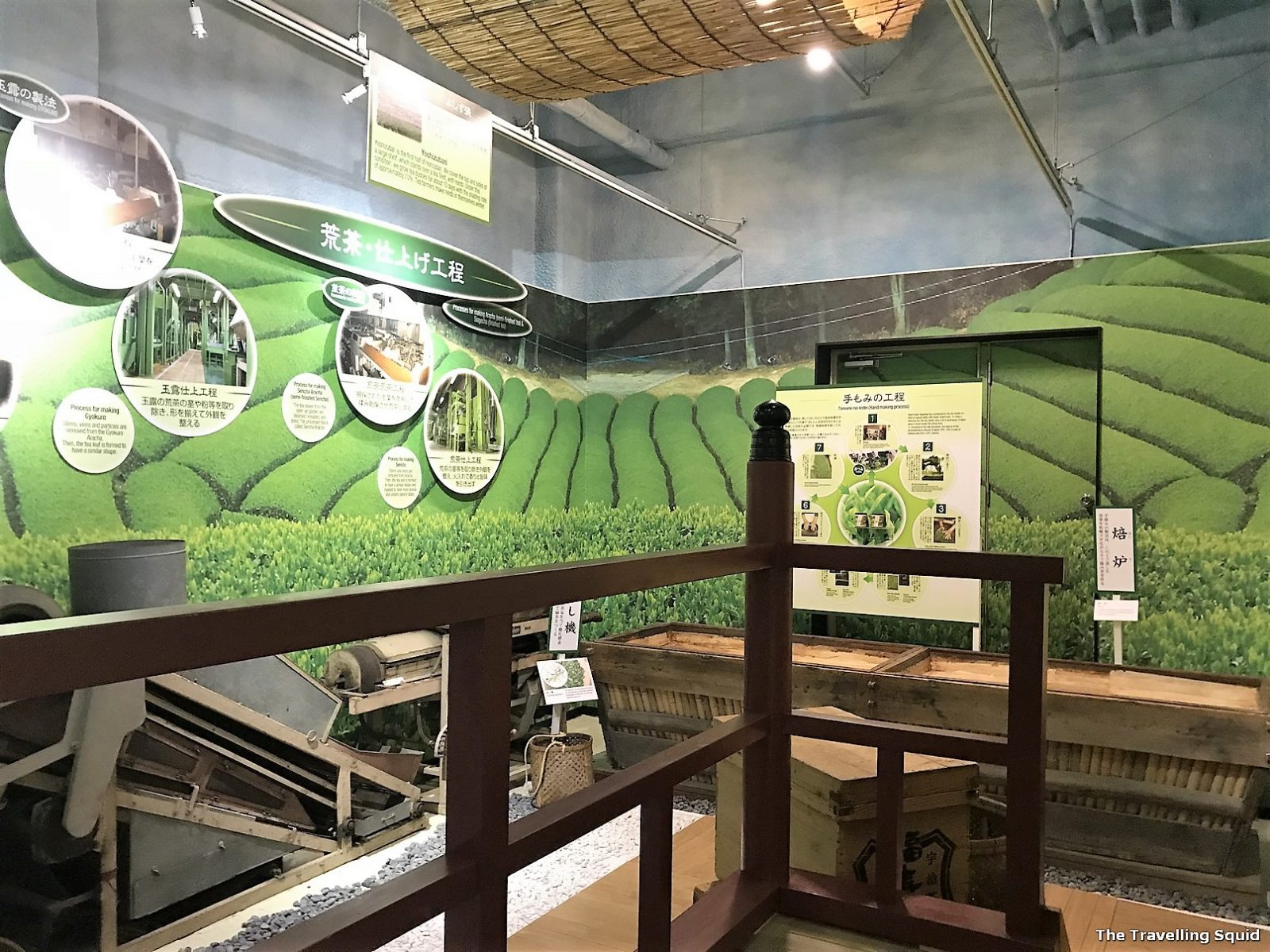
Uji City Tea Industry Exhibition Hall

Uji City Tea Industry Exhibition Hall

A facility dedicated to explaining the history and manufacturing processes of Uji tea through informative displays. It provides a comprehensive overview of why the local climate favors tea production.

Read the placards detailing the tea harvest process first.

Opening hours

Opening Hours for What Is Uji Tea Experiences

The tea visitor center is open daily throughout the week.

Monday
09:00–17:00
Tuesday
09:00–17:00
Wednesday
09:00–17:00
Thursday
09:00–17:00
Friday
09:00–17:00
Saturday
09:00–17:00
Sunday
09:00–17:00
Please arrive by 16:30 to ensure sufficient time to explore before the center closes.
Directions

How to Reach the Sites of What Is Uji Tea

The facility is located at 203-1 Todo Maruyama, Uji City, Kyoto, Japan. It is most easily accessed by rail via the lines serving Uji Station.

Train Approx. 20 min from Kyoto Station —

JR Nara Line to JR Uji Station

Train Approx. 30 min from Gion-Shijo Station —

Keihan Uji Line to Keihan Uji Station

On foot Approx. 12 min —

From JR Uji Station to facility

Follow the signs for Uji Bridge after exiting the station. Please refer to the official site at https://uji-chazuna.kyoto/en/ for detailed local maps.

Book

Check availability

Frequently asked

Frequently asked questions about what is uji tea

Everything you need to know about what is uji tea

What exactly is Uji tea?

Uji tea is a prestigious designation for Japanese green tea produced in the Uji region of Kyoto. It encompasses high-quality varieties like matcha, sencha, and gyokuro, which are processed using traditional techniques refined over centuries. Understanding what is uji tea is a great way to appreciate the deep-rooted agricultural history of Kyoto prefecture. By exploring the local tea gardens, you can see firsthand how the unique environment shapes the flavor profile of the harvest. The region has gained global renown because of its focus on sensory excellence and umami richness. Many travelers inquire what is uji tea to better understand the meticulous shading techniques that produce such vivid green leaves. When you visit, you will learn how the soil and mist in Uji contribute to its exceptional quality compared to other Japanese green tea regions. For those curious about what is uji tea, the Chazuna Historical Park offers interactive exhibits and digital displays. It serves as a central hub for visitors to dive into the history of the town and its centuries-old tea traditions. You can walk through the historic site zone and consult with instructors to deepen your knowledge of this Kyoto landmark. To ensure a pleasant experience, the best arrival window is 09:00–16:30. Arriving during these hours helps you avoid mid-day crowds and provides ample time to explore the gardens and exhibits before the 17:00 closing time. General admission is 600 JPY per person for the museum. This entry fee grants you access to the main exhibits that explain the cultural significance of the region. Please note that additional fees may apply if you choose to participate in specific workshops or hands-on tea experiences. Yes, the facility offers various interactive programs where you can grind your own matcha using a traditional mill. These hands-on workshops are a perfect way to engage with the local craft after learning what is uji tea in the museum. Booking information for these experiences is available through the official site to help you plan your visit. Yes, families are welcome to explore the park and the museum together. The expansive grounds and educational exhibits provide an accessible and engaging environment for visitors of all ages to learn about local culture.

Keep reading

More guides & pages